
In This Article
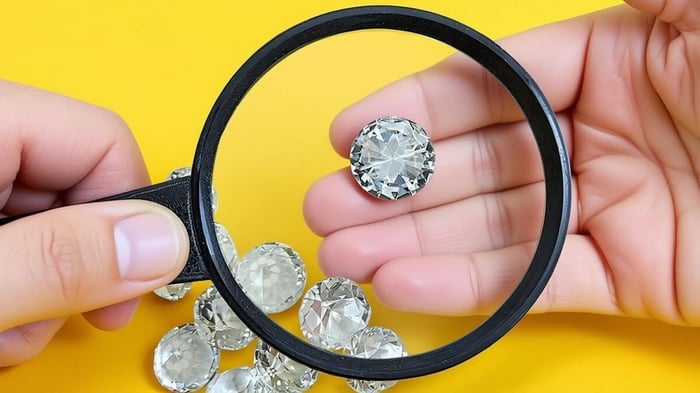
Lab-grown vs natural diamonds — it’s a little embarrassing to admit, but years ago, I spent an afternoon scrutinising my grandmother’s diamond brooch with a magnifying loupe, convinced I could spot its 'origins' just by squinting. Spoiler: I was completely wrong. As it happens, whether it’s grown in a lab or mined from deep within the earth, a diamond is, scientifically, a diamond; full stop.
In this article, we’ll tackle common misconceptions and examine what really sets natural and lab-grown stones apart —at least in the paperwork (and scientific scrutiny), if not in their dazzling shine.
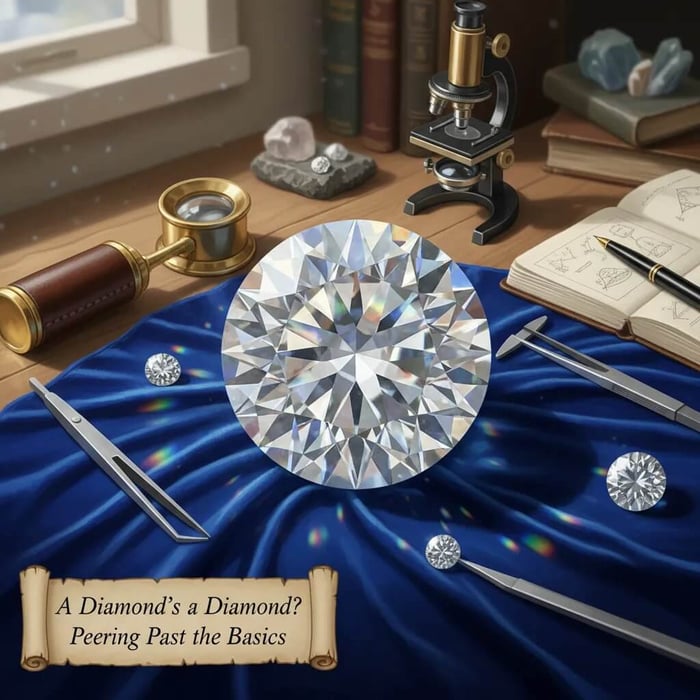
A Diamond’s a Diamond? Peering Past the Basics
When it comes to diamond quality checks and product authenticity, the question on many buyers’ minds is whether a lab-grown diamond can truly match a natural stone. The answer, according to experts and the latest research, is a resounding yes. Both lab-grown and natural diamonds are made of pure carbon atoms arranged in a cubic lattice, giving them identical chemical, physical, and optical properties. This means that, in practice, there is no visible difference between the two—no matter how closely you look.
As a leading gemmologist, puts it:
"Chemically and optically, there’s simply no visible difference between a lab-grown or natural diamond."Both types of diamonds achieve a hardness of 10 on the Mohs hardness scale, making them equally durable and scratch-resistant. Their brilliance, fire, scintillation, and clarity are also indistinguishable to the naked eye, even for experienced jewellers using a loupe or magnification. In other words, the classic sparkle and beauty that make diamonds so desirable are present in both varieties, and diamond reliability is not compromised by the method of creation.
Ella Lab Diamond Solitaire Engagement Ring 0.50ct G/VS 9k Yellow Gold
£555.00
£881.00
Capture the essence of your love with the Ella Lab Diamond Solitaire Engagement Ring, a beautiful piece crafted with expert precision in the UK from 9k yellow gold. This ring features a stunning 0.50ct G/VS IGI-certified lab-grown diamond that captures… read more

Real Diamond Jewellery For You
Why Classic Diamond Testers Fall Short
Traditional diamond testers, which measure thermal or electrical conductivity, cannot distinguish a lab-grown diamond from a natural one. Both types respond identically to these tests. This phenomenon means that even with professional tools, a standard diamond quality check will not reveal a stone’s origin.
Visual Clues: Rare and Unreliable
Some believe that inclusions or other flaws might help distinguish a lab-grown diamond from a natural one. While it is true that certain lab-grown diamonds may have unique inclusions or microscopic inscriptions, these are not consistent or visible enough to serve as reliable identifiers for everyday buyers. Most diamonds, regardless of origin, appear flawless to the unaided eye and even under magnification.
- Mohs Hardness: 10 for both lab-grown and natural diamonds
- Brilliance, Fire, Scintillation, Clarity: Indistinguishable by sight or loupe
- Inclusions/Inscription: Rare and not a practical method for identification
The Need for Advanced Verification
Given the physical and optical similarities, accurate identification requires advanced laboratory equipment and expertise. Tools such as DiamondView, UV fluorescence lamps, Raman spectrometers, and FTIR spectroscopy are used to detect subtle differences in growth patterns and trace elements. These methods are not available to the average consumer or even most jewellers, making third-party certification essential for product authenticity.
With the growing popularity of lab-grown diamonds, the demand for trustworthy verification and transparent documentation is higher than ever. Reputable jewellers like After Diamonds address this by providing a Certificate of Authenticity with much of their jewellery, ensuring customers can trust the diamond's reliability and origin.
Science Detectives: How Real Experts Tell Diamonds Apart
When it comes to distinguishing a lab-grown diamond from a natural stone, even the most experienced jewellers are left guessing. Both types are made of pure carbon atoms arranged in a cubic lattice, giving them identical hardness, brilliance, and fire. This means that, to the naked eye and even under a jeweller’s loupe, lab-grown and natural diamonds are visually indistinguishable.
"Only advanced gemmological analysis can discern a lab-grown diamond from its natural sibling."So, how do real experts perform a diamond quality check and determine a diamond’s origin? The answer lies in advanced laboratory technology and scientific expertise, not in traditional shop tools or visual inspection.
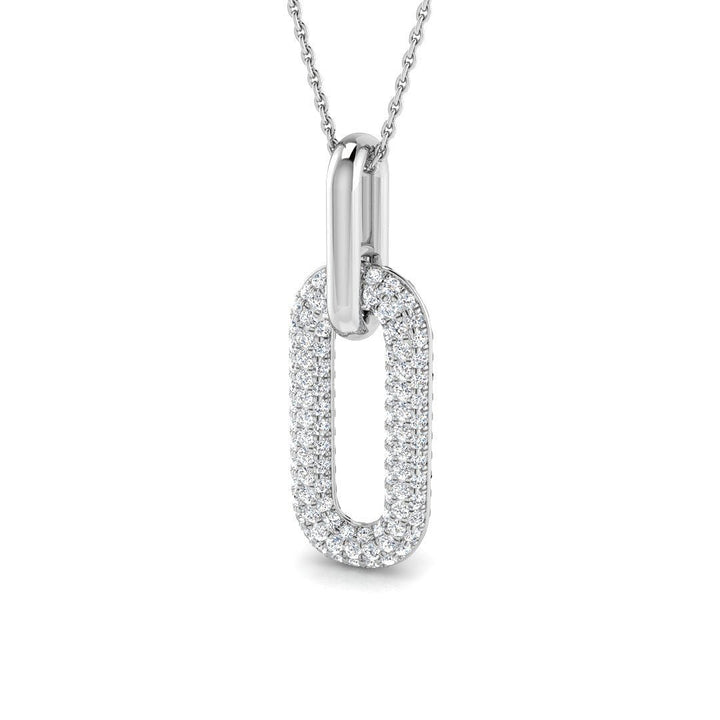
Pave Set Lab Diamond Paperclip Pendant Necklace 0.70ct in 9k White Gold
£835.00
£1,449.00
The Pave Set Lab Diamond Paperclip Pendant Necklace in 9k white gold is a masterpiece of modern elegance, offering a striking style that captivates at first glance. This exquisite piece features 0.70ct of genuine diamonds, pave set into its innovative… read more
Technologically Advanced Testing: The Tools of the Trade
Specialised laboratories use a suite of sophisticated instruments to analyse diamonds at the atomic level. These tools reveal subtle differences in growth patterns and trace elements, which are invisible to the human eye. Key methods include:
- DiamondView: This fluorescence imaging technology exposes unique growth structures formed during a diamond’s creation. It is handy for distinguishing between stones grown by HPHT (High-Pressure, High-Temperature) or CVD (Chemical Vapour Deposition) methods and those formed naturally over millions of years.
- Raman Spectroscopy: By analysing how light scatters within the diamond, experts can detect minute differences in crystal structure and trace elements.
- FTIR (Fourier Transform Infrared) Spectroscopy: This technique identifies specific impurities and can indicate whether a diamond is natural or lab-grown.
- UV Fluorescence Lamps: Some diamonds display characteristic fluorescence under ultraviolet light, but interpreting these patterns requires specialist knowledge.
| Technology | Purpose |
|---|---|
| DiamondView | Fluorescence imaging of growth structures |
| Raman Spectroscopy | Detects crystal structure and trace elements |
| FTIR Spectroscopy | Identifies impurities and growth origins |
| 10x Magnification | Checks for microscopic laser inscriptions |
Why Standard Diamond Testers Fall Short
Conventional diamond testers, which measure thermal or electrical conductivity, cannot distinguish between lab-grown and natural diamonds. Both types conduct heat and electricity in the same way, rendering these devices ineffective for origin identification. Even microscopic inclusions or laser inscriptions, sometimes present in lab-grown stones, are rare and require at least 10x magnification and expert interpretation.
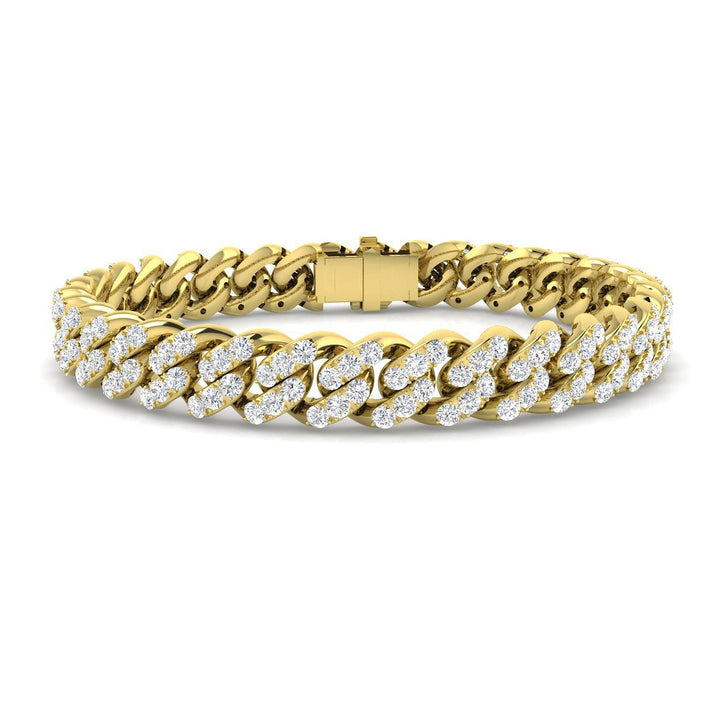
Lab Diamond Cuban Link Bracelet 5.50ct in 9k Yellow Gold
£3,005.00
£5,995.00
Discover unparalleled style with the Lab Diamond Cuban Link Bracelet, featuring a striking 5.50ct of D/VVS quality real diamonds, meticulously set in a pave setting for an exquisite display of brilliance. Crafted in luxurious 9k yellow gold, this bracelet boasts… read more
Diamond Certification: The Gold Standard
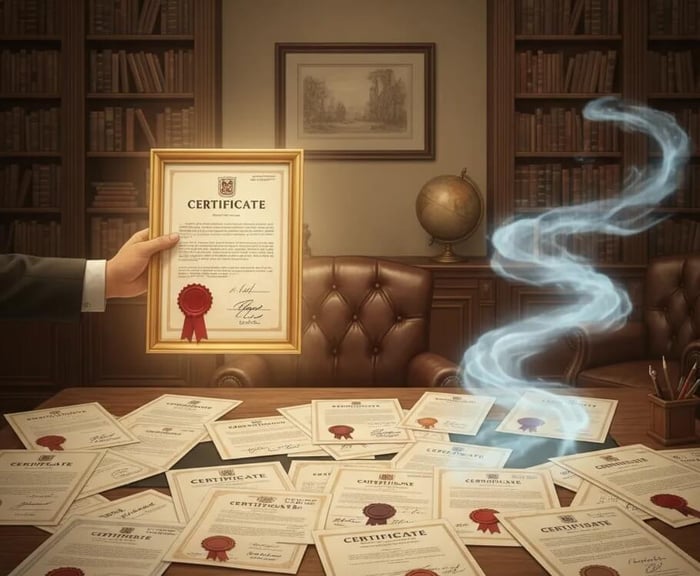
Given these challenges, diamond certification by reputable organisations such as the Gemological Institute of America (GIA) or International Gemological Institute (IGI) is essential. These bodies use advanced laboratory testing to provide a certificate of authenticity for each diamond, often inscribing a serial number on the stone’s girdle for traceability. This documentation is the only reliable way to confirm a diamond’s origin and quality, far surpassing guesswork or assumption.
For consumers, prioritising certified diamonds and demanding complete documentation is the best way to ensure transparency and peace of mind when investing in either a natural or lab-grown diamond. Please note that, for cost reasons, it is usual for only larger stones —often 0.5 carats or larger —to be certified. In a piece of finished jewellery, a grading certificate typically applies only to the centre stone.

Paper Trail: Why Certification Trumps 'Gut Feeling'
When it comes to diamonds, appearances can be deceiving. Both lab-grown and natural diamonds are made of pure carbon, arranged in the same atomic structure, and display identical brilliance and clarity. Even the most experienced jewellers, equipped with magnifying loupes, cannot reliably distinguish between the two with the naked eye. This is where diamond certification and a certificate of authenticity become essential for anyone seeking genuine gemstone authenticity and product authenticity.
Certification: Proof, Not Just Hype
Certification from respected organisations such as the Gemological Institute of America (GIA) and the International Gemological Institute (IGI) is the gold standard in the diamond industry. These bodies use advanced laboratory techniques—far beyond the reach of standard jeweller’s tools—to analyse and verify each diamond’s characteristics and origin. Their grading reports are not mere marketing tools; they are scientific documents that provide:
- Cut – How well the diamond has been shaped and faceted
- Colour – The presence or absence of colour in the stone
- Clarity – The number and type of internal or external flaws
- Carat weight – The size of the diamond
- Origin – Whether the diamond is lab-grown or mined
As jewellery appraiser Anna Meyer puts it:
"If it’s not certified, you’re simply hoping for the best."Serial Numbers: The Traceability Advantage
One of the most important features of modern diamond certification is the microscopic serial number, usually inscribed on the diamond’s girdle. This number links the physical stone to its grading report, providing transparency and traceability. If a diamond ever changes hands or needs to be resold, this inscription ensures that its authenticity and details can be independently verified. This system is a powerful deterrent against fraud and misrepresentation, giving buyers peace of mind.
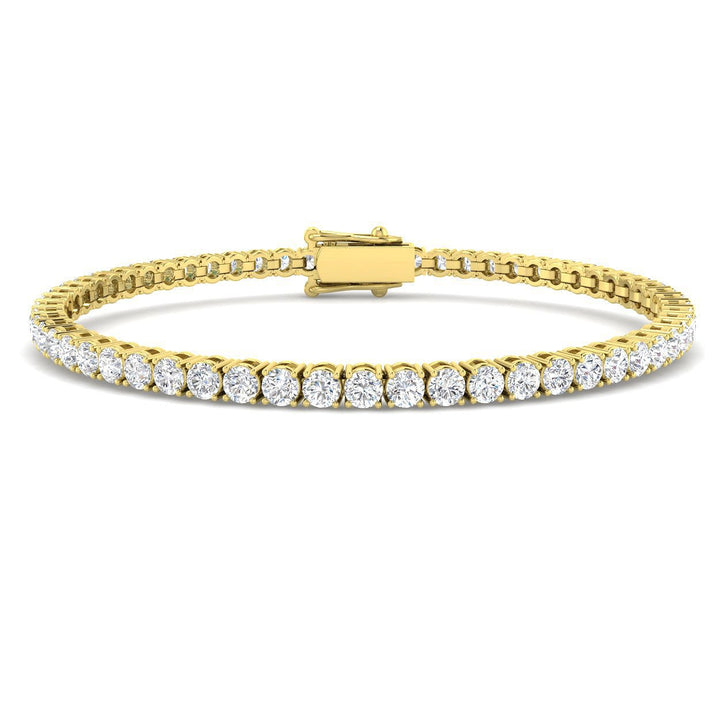
6ct Lab Diamond Tennis Bracelet D/VVS Quality Set in 9k Yellow Gold
£2,115.00
£3,935.00
Exude timeless grace with this Lab Diamond Tennis Bracelet. The round lab-grown diamonds of D/VVS quality and weighing a total of 6 carats are beautifully set in 9k Yellow Gold, and the resulting sparkle is nothing short of mesmerising. The… read more
Certification’s Real-World Impact
Consider the story of a friend’s partner who once bought a ‘bargain’ diamond ring from a high street shop. The stone sparkled beautifully, but months later, an independent appraisal revealed it was not what it seemed—its value and origin were misrepresented. Had the diamond come with a certificate of authenticity from a reputable lab, this costly mistake could have been avoided.
Certification and Value
Beyond peace of mind, diamond certification directly affects resale value and buyer confidence. Certified diamonds, with verifiable grading and origin, command higher trust and better prices in the market. Without documentation, even the most dazzling stone is simply a gamble.
Beyond the Bling: Guarantees, Longevity, and Good Sense
When it comes to diamonds, whether lab-grown or natural, the conversation must extend beyond their dazzling appearance. In today’s jewellery market, guarantees, longevity, and good sense are just as important as the initial sparkle. Understanding the fine print of a jewellery warranty (we offer a lifetime workmanship guarantee) and the importance of routine maintenance is crucial for anyone seeking lasting value and peace of mind.
It is a common misconception that all warranties are created equal. In reality, a standard jewellery warranty, such as the lifetime cover offered by After Diamonds, typically protects against manufacturing defects and workmanship faults. However, these warranties do not extend to loss, theft, intentional damage, or the gradual effects of daily wear. As jewellery writer Andrew Wilson wisely notes,
"A warranty is only as solid as the care you show your jewellery."To maintain eligibility for warranty coverage, customers must follow the manufacturer’s care and cleaning instructions. Simple steps, such as storing pieces separately to avoid scratches, cleaning gently with appropriate solutions, and scheduling regular professional servicing, can significantly extend both the beauty and the lifespan of your jewellery. In fact, neglecting routine maintenance or failing to follow care guidelines can void a protection plan, leaving owners unprotected when they need support most.
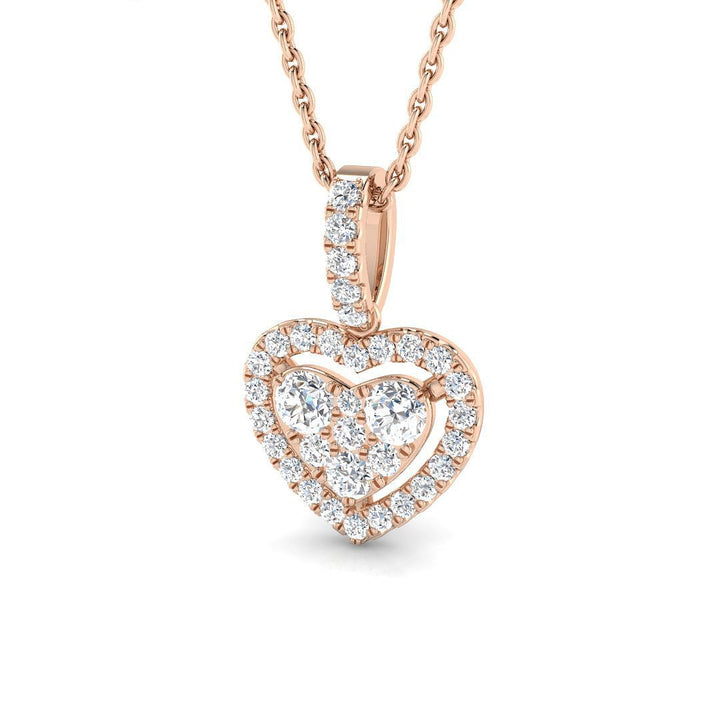
Heart Lab Diamond Cluster Pendant Necklace 0.40ct in 9k Rose Gold
£435.00
£735.00
Indulge in the enchanting elegance of the Heart Lab Diamond Cluster Pendant Necklace, boasting a total diamond weight of 0.40ct. This exquisite piece is crafted in lustrous 9k rose gold, exuding a warm, romantic glow. At its heart lies a… read more
Modern Consumer Protection Leads The Way
Modern consumer protections are evolving to reflect changing values and expectations. Companies like ours are setting new standards with customer-centric policies: transparent returns, free repairs within the warranty period, and clear communication about exclusions and eligibility. Our commitment to sustainable packaging and comprehensive educational resources demonstrates a broader industry movement towards transparency and responsibility. These features, once considered luxuries, are now essential for consumers who value both their investment and the world around them.
Transparency is further reinforced through certification and documentation. With lab-grown and natural diamonds being virtually indistinguishable, even to expert jewellers, scientific validation and third-party grading reports are indispensable. This level of assurance, combined with clear warranty terms and attentive customer support, provides buyers with genuine confidence.
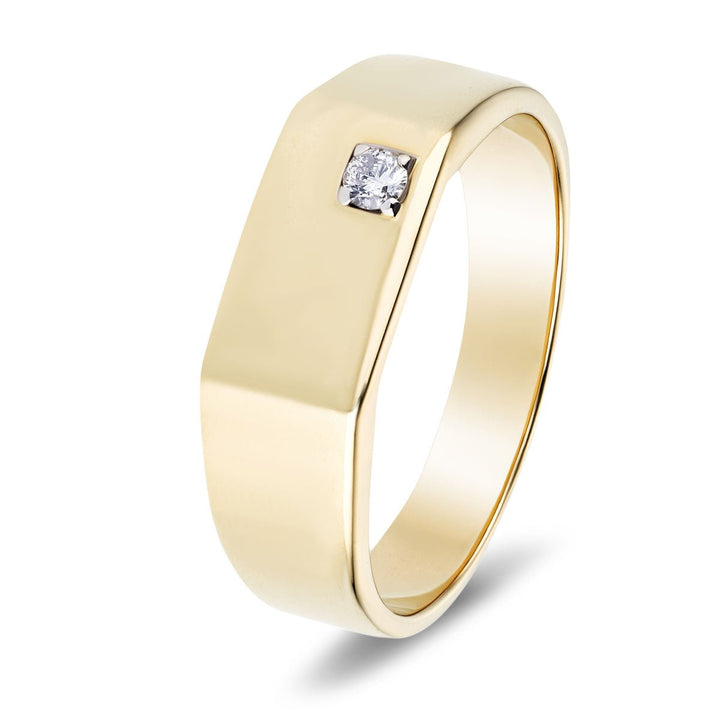
Mens Single Lab Diamond Signet Ring 0.06ct D/VVS in 9k Yellow Gold
£745.00
£855.00
Embodying elegance and masculinity, this Men's Single Lab Diamond Signet Ring highlights a 0.06ct round lab diamond, meticulously in a claw setting for a sleek and modern appeal. Crafted in luxurious 9k yellow gold, the ring features a band width… read more
Of course, the relationship between owner and gemstone is more than transactional. Imagine a world where every diamond came with a personality test. Would you trust your gem more if it reflected your quirks and values? Such a scenario remains fanciful, but it highlights the importance of choosing jewellery that aligns with one's lifestyle and sense of responsibility. Good sense dictates that beauty should be matched by durability, ethical sourcing, and robust consumer protections.
In conclusion, the true value of a diamond lies not just in its brilliance but in the assurances that surround it. By prioritising proper care, understanding the scope of your jewellery warranty, and choosing brands that champion transparency and sustainability, you ensure your investment remains as resilient and radiant as the stones themselves.
In the world of diamonds, good sense is always in style.
Browse Our Real Diamond Jewellery Now!