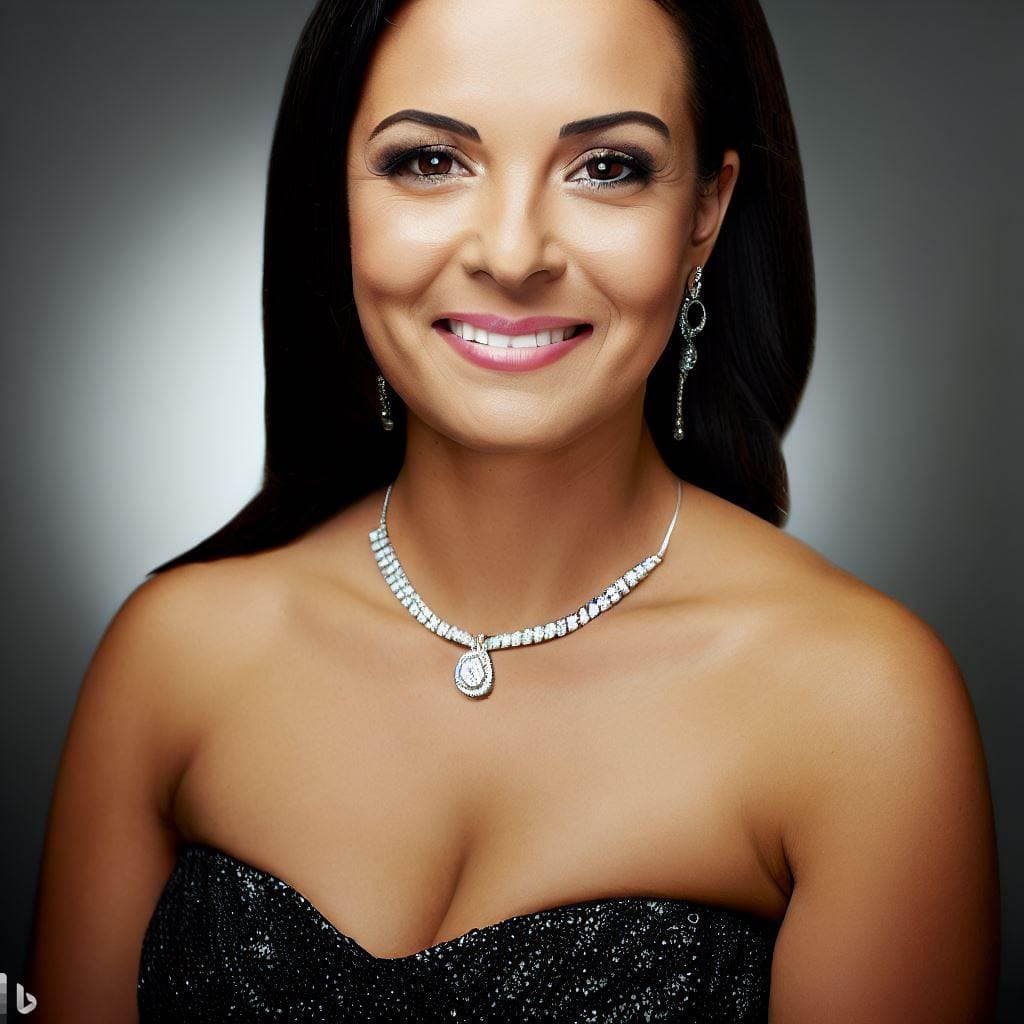
Towards the end of a fashion year, the useful question changes. Less “what is new?” and more “what still feels right when the novelty has settled?” Jewellery invites that slower judgement because it stays close to the body and often remains in use far longer than the outfit around it.
This is our editorial review of 2026 so far, prepared in November. It draws on published trend commentary and designs available at After Diamonds. The choices here are a considered edit, rather than a ranking of the year’s best-selling jewellery.
Table Of Contents
- One Focal Piece Can Be Enough
- Personal Shape Matters More Than A Prescribed Winner
- Metal Colour Has Become A More Open Choice
- Simple Settings Can Still Have Character
- Keep Personal Meaning Separate From Buying Pressure
- A Calm Way To Take A Trend Forward
- Choose The Detail You Will Keep Enjoying
- Frequently Asked Questions
One Focal Piece Can Be Enough
At the beginning of the year, British Vogue’s jewellery forecast highlighted substantial statement pieces, sculptural shapes and a shift away from relying on many layers. That was a direction proposed by the designers and buyers it interviewed, rather than a rule for every jewellery box.
The useful part is the idea of a focal point. One defined shape can give an outfit intention without requiring a collection of competing details. It might be a ring, a pair of earrings or a pendant with enough presence to hold the eye.
Scale remains personal. You can borrow the clarity of a statement look without adopting the largest version of it. A simple neckline and one distinct piece often make the design easier to appreciate.
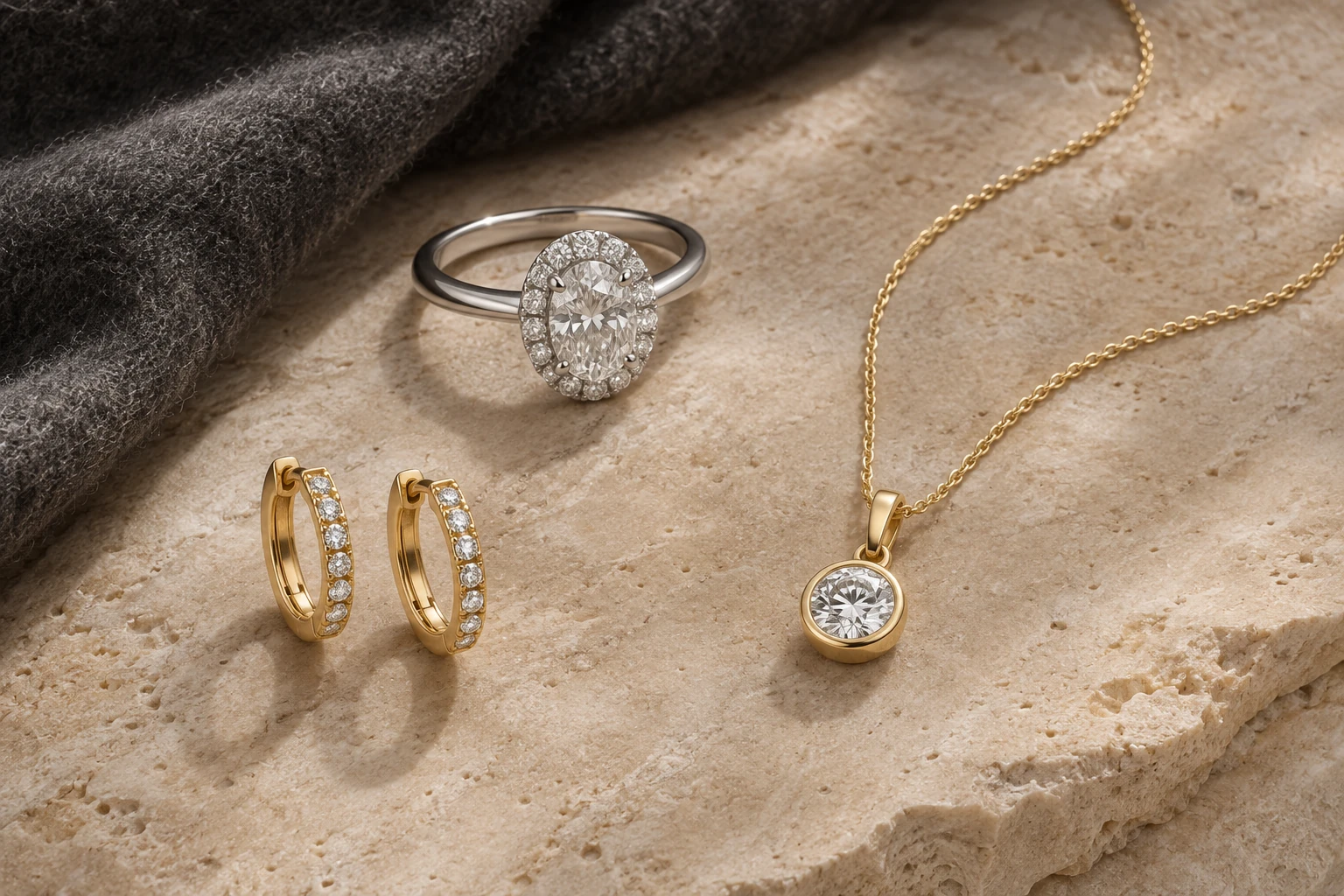
An oval halo ring is one interpretation of that focus. The Chloe design below combines an elongated centre outline with surrounding diamonds and detail on the band. Its stated 0.85ct refers to the total diamond weight, including accent stones.
Personal Shape Matters More Than A Prescribed Winner
Jewellery commentary can make a particular outline sound inevitable. But the way a ring sits on a hand, its height and its relationship to other jewellery are more useful than the idea of a universally flattering shape.
Our earlier 2026 engagement ring feature explored elongated outlines and personal details. Returning to those ideas now, the lasting lesson is to consider proportion and design together. An oval, round or square stone can each feel convincing when the whole piece suits its wearer.
Look from the side as well as from above. Consider how a setting meets a sleeve, whether it sits comfortably beside another ring, and whether its details remain appealing when the hand is at rest.
Metal Colour Has Become A More Open Choice
Vogue’s 2026 forecast also discussed silver and mixed metals. Its interviewees described interest in combining colours and creating pieces with greater visual presence. Those observations allow a wider styling conversation; they do not establish that one metal has displaced all the others.
For a buyer, that freedom is useful. You can wear white-metal earrings with a yellow-gold pendant, or keep a familiar gold colour and change the outline. Repeating one detail, perhaps a rounded shape or a similar scale, can make the combination feel deliberate.
Yellow gold still offers a warm frame for diamonds, while white metals give a different contrast. Neither needs to win a seasonal contest. Choose the colour you enjoy against your skin and clothes, then consider how it relates to pieces you already own.
The yellow-gold huggie hoops below are a compact option for introducing warmth. They are included as our wearable interpretation, not as evidence of a market-wide trend. Their listed 0.20ct is the total diamond weight across the pair.
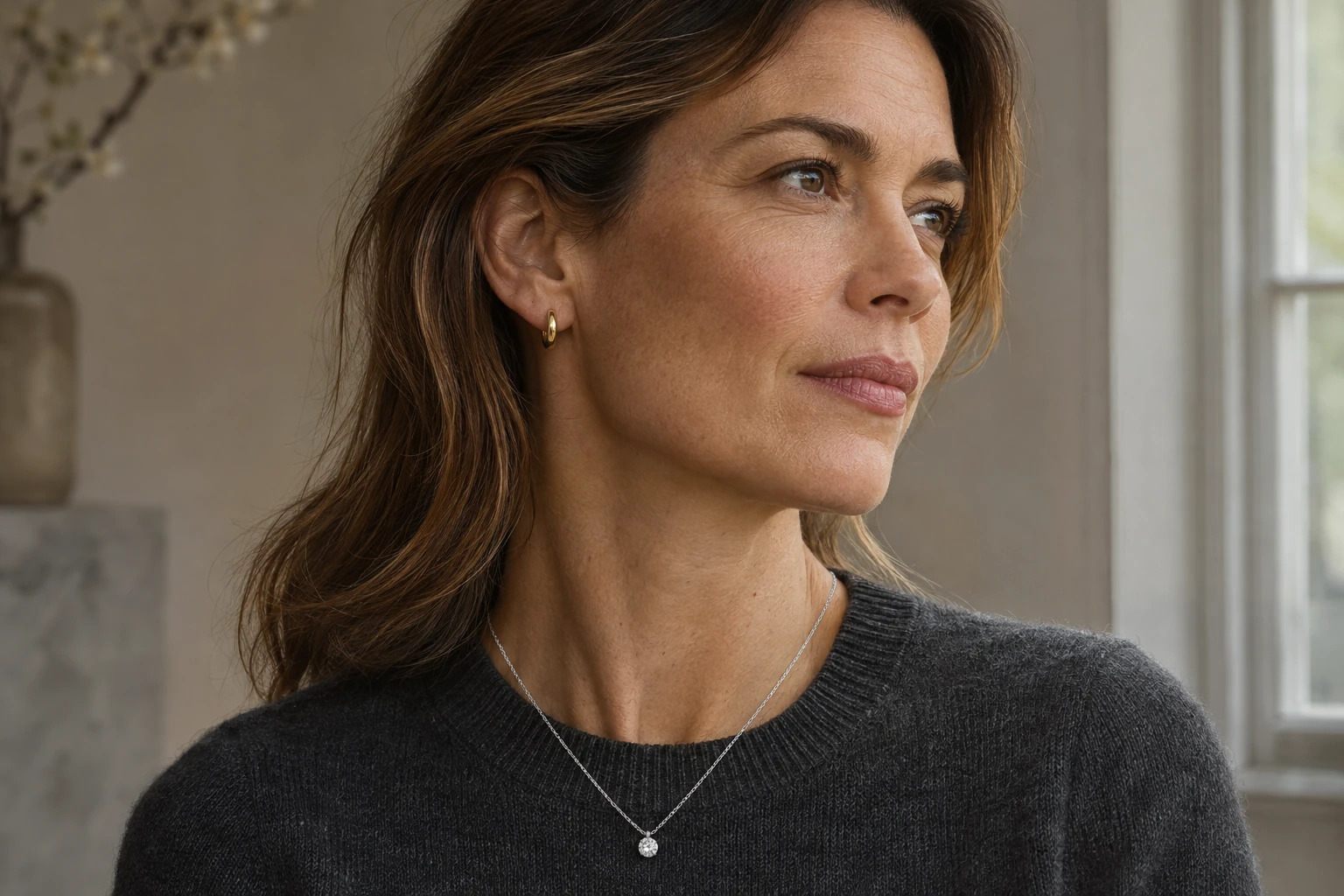 IMetal colours can be combined through a shared scale or shape.
Simple Settings Can Still Have Character
A small design change can make familiar jewellery feel different. A bezel surrounds the diamond with a visible rim of metal, giving the outline a clear edge. A claw setting creates a different rhythm, with small points of metal around the stone.
The bezel pendant below makes that distinction easy to see. Its round 0.50ct diamond sits within a yellow-gold frame, so the setting contributes directly to the shape. The interest comes from the relationship between metal and stone, rather than extra decoration.
There is a practical conversation to have too. Ask about dimensions, the chain, the finish and the setting’s profile. A photograph can suggest the mood of a piece; those details help you work out whether it belongs in your own routine. Our ring settings guide explains the broader design language.
Keep Personal Meaning Separate From Buying Pressure
The more enduring part of the year’s jewellery conversation is personal choice. A design can feel individual because of a shape you have always liked, a metal shared with an older piece, or the occasion when you first wore it. It need not be bespoke to acquire meaning.
For lab-grown diamond jewellery, clear information remains part of that choice. GIA explains that laboratory-grown and natural diamonds have essentially the same chemical, physical and optical properties. Origin should still be disclosed, and it does not determine whether a particular design suits you.
Avoid turning “buying for the long term” into an assumption about resale returns. Here, longevity means continued enjoyment, a considered design and appropriate care. If environmental claims matter to your decision, look for specific evidence about the product and its production rather than assuming a broad label answers every question.
A Calm Way To Take A Trend Forward
Begin with one idea from the year that still interests you: a stronger focal point, a mix of metals, a clear setting or a more personal shape. Try it alongside what you already wear before planning further purchases.
Then return to the ordinary details. Set a comfortable budget, compare the actual dimensions and check how diamond weight is described. For rings, distinguish the centre stone from the total across the design. For earrings, confirm whether the carat figure covers the pair.
If a piece works only in the photograph that introduced it, pause. If it makes sense with your clothes and feels comfortable in your life, the trend has given you something useful. That is the part worth keeping as the calendar moves on.
Frequently Asked Questions
Is This A Ranking Of The Best-Selling Jewellery Of 2026?
No. It is an editorial review of 2026 so far, prepared in November, drawing on published trend commentary and selected After Diamonds designs. It does not claim sales rankings.
Can I Wear Yellow Gold And White Metals Together?
Yes, if you enjoy the combination. Repeating a shape or keeping the scale similar can help the pieces feel related. A matched metal colour is a preference, not a requirement.
Does A Statement Piece Need A Large Diamond?
No. Outline, setting and contrast can create a clear focal point. Check the whole piece’s dimensions and its effect on you rather than relying on diamond weight alone.
Is A Bezel Setting A New Design?
No. A bezel is an established setting that surrounds a stone with a rim of metal. Its clear outline can suit contemporary styling without making it a newly invented technique.
How Do I Choose A Trend I Will Still Like Later?
Connect one design idea to your existing tastes, clothes and routine. Compare dimensions and setting details, set a comfortable budget, and choose for continued use rather than a seasonal ranking.