
A diamond solitaire looks simple. That is part of its appeal. One diamond, one setting, one clear point of focus.
Yet that simplicity can also make buying one feel oddly difficult. With no halo, trilogy layout or elaborate design to distract the eye, every choice becomes more visible. The shape, the setting, the band, the metal and the way the diamond sits on the hand all affect how striking the ring feels.
The good news is that a memorable solitaire does not depend on carat weight alone. In practice, some rings look stronger because they are better proportioned, better judged and better suited to the wearer.
Lab-grown diamonds add another useful advantage. They can make a more generous centre stone more realistic while still allowing room in the budget for cut, setting, metal and design details that genuinely improve the finished ring.
Quick Answer
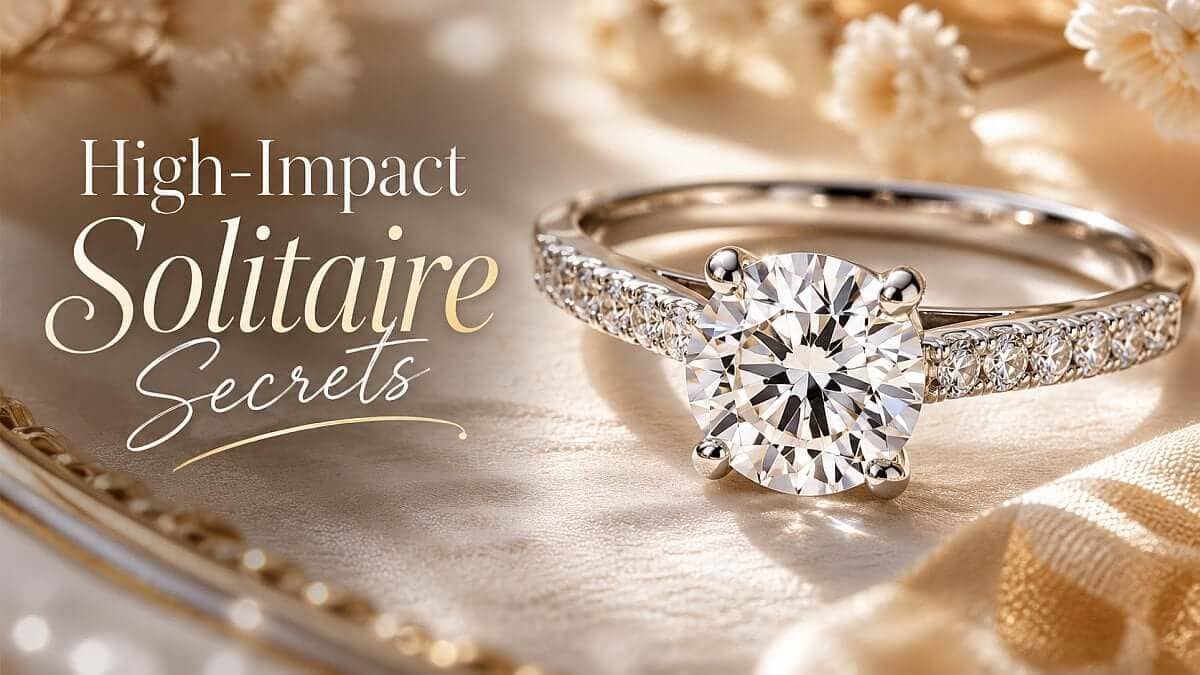
A high-impact diamond solitaire usually comes from the right balance of diamond shape, face-up size, cut quality, setting style, metal colour and band proportion. If you want more sparkle around the centre stone without a halo, look for designs with diamond-set shoulders or diamonds along the ring shank. These add brightness while keeping the clean solitaire look.
A short guide to choosing a solitaire ring with more visual impact, from diamond shape and setting style to band detail and proportion.
Table Of Contents
- Why A Solitaire Still Has Such Strong Visual Power
- Start With Shape, Not Just Size
- Understand Face-Up Size Before Chasing Carat Weight
- Let Cut Quality Do The Sparkle Work
- Use The Setting To Frame The Diamond Properly
- Add Sparkle With Diamond-Set Shoulders, Not A Hidden Halo
- Let Band Width Create The Right Sense Of Scale
- Use Metal Colour To Change The Mood
- Choose Generous, Not Overdone
- A Practical Solitaire Checklist
- Choose The Solitaire That Makes Sense In Real Life
- Solitaire Ring FAQs
Why A Solitaire Still Has Such Strong Visual Power
A solitaire ring has one job: to draw the eye to the centre diamond.
That is why it remains such a popular engagement ring choice. It is clear, focused and easy to understand. There is no need to explain the design. The centre stone does the talking.
But a solitaire is not a single fixed look. A round brilliant solitaire in yellow gold feels very different from a pear-shaped solitaire in platinum. A bezel-set solitaire has a different mood from a claw-set ring. A slim band changes the apparent scale of the diamond. Diamond-set shoulders can add light without turning the ring into a halo design.
If you are still comparing basic size expectations, it may help to read the diamond size guide you can actually trust before making final decisions. Carat weight matters, but it is not the whole story.
Looking at solitaires already?
Compare lab diamond rings by shape, metal and setting style before narrowing the decision to carat weight alone.
Explore Lab Diamond RingsStart With Shape, Not Just Size
The diamond shape is the first thing most people notice.
A round brilliant is the classic choice because it gives familiar sparkle, balance and symmetry. It rarely looks wrong. It is also easy to understand, which is one reason it remains such a safe option for surprise proposals.
Oval, pear and marquise shapes often create more visual spread for their carat weight because they stretch along the finger. They can also lengthen the look of the hand, which many buyers find elegant in real life.
Princess cut diamonds bring a sharper, more modern geometry. They can look crisp and confident, especially on a clean band. They are less soft than a round or oval, which can suit someone with a more structured personal style.
The useful question is not simply, “Which diamond is biggest?” It is, “Which shape makes the right kind of statement on her hand?”
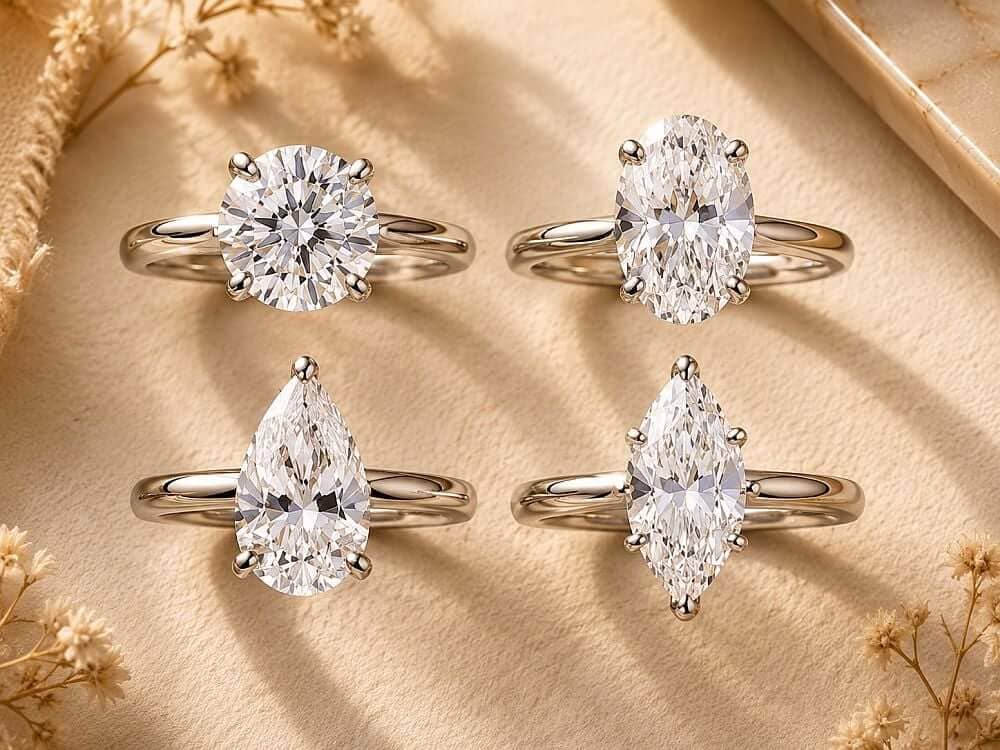
A pear-shaped solitaire is a useful example of how shape changes the way a diamond reads on the hand. The elongated outline gives the ring a graceful sense of length, while the single centre stone keeps the design clean and focused.
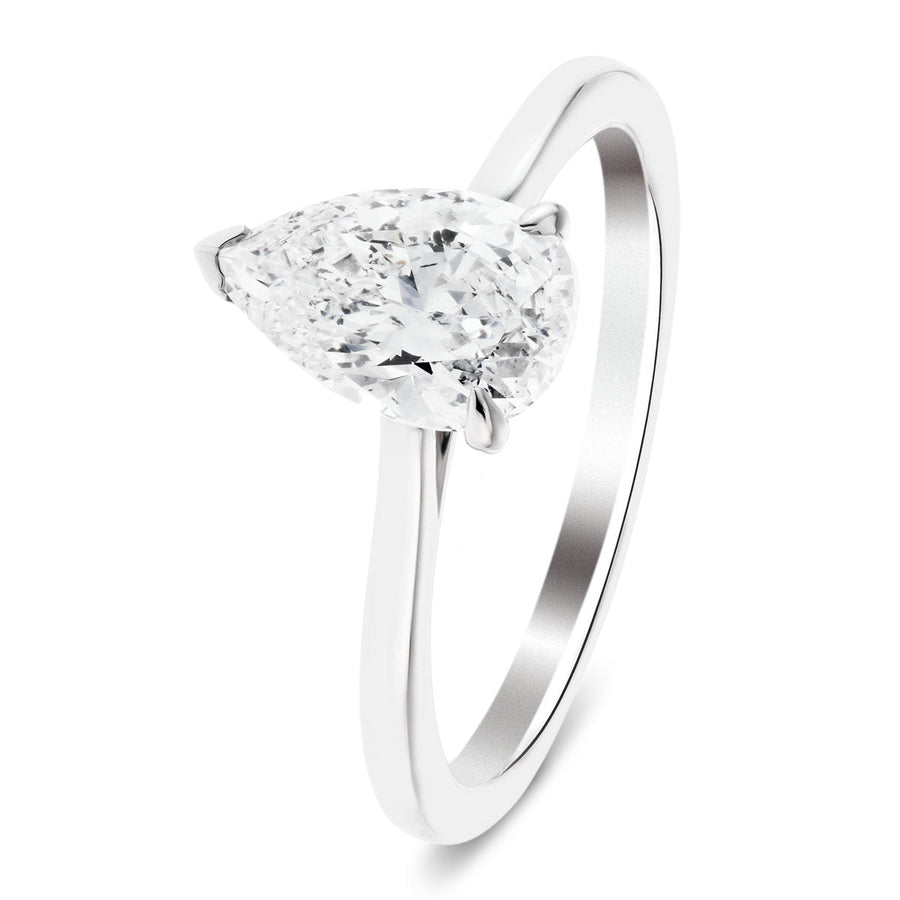
Design Example
Pear Shape For A Longer Line
The Lily pear solitaire shows why shape matters as much as carat weight. The pointed silhouette draws the eye along the finger, giving the ring a more elongated, elegant feel without adding extra design clutter.
A good choice to show the visual spread, graceful proportion and the softer statement of a fancy-shaped solitaire.
View DesignUnderstand Face-Up Size Before Chasing Carat Weight
Carat weight measures weight, not visible spread.
That is a small distinction, but it matters. Two diamonds with the same carat weight can look different from above depending on shape, proportions and cut. Some shapes naturally appear longer or broader. Some stones carry more of their weight in depth, which can make them look slightly smaller from the top.
This is where lab-grown diamonds become especially helpful. Because they can bring larger or higher-specification diamonds within reach, buyers often have more room to choose a generous centre stone. But the best result still comes from judgement, not just size.
A well-proportioned 1.00ct or 1.50ct lab-grown diamond may look more elegant than a larger stone that feels heavy, deep or badly matched to the setting. The aim is not just to maximise the number. It is to choose a diamond that looks balanced from above and feels right on the hand.
Look at the dimensions, the shape and the setting together. That is where the visual result begins to make sense.
One of the practical strengths of lab-grown diamonds is that a more generous centre stone can become realistic without turning the ring into an overly elaborate design. A classic round solitaire keeps the decision simple: one diamond, clean proportions and a familiar sparkle profile.
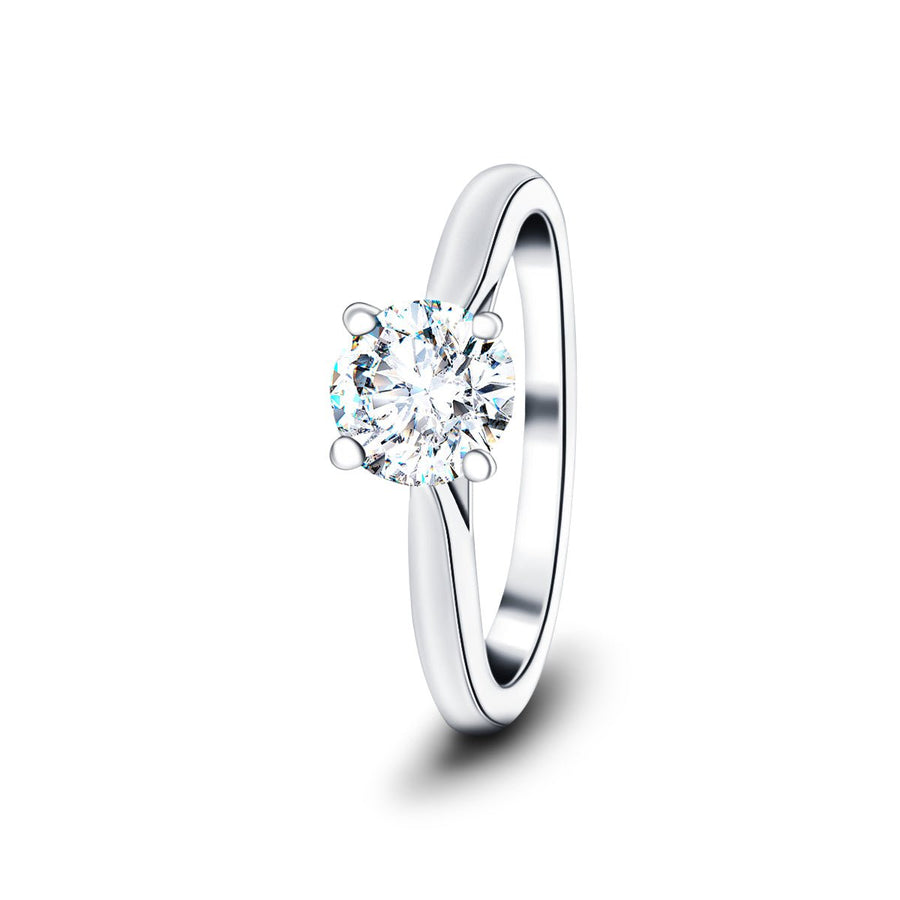
Lab-Grown Advantage
A Generous Solitaire, Kept Simple
The Ella round solitaire is a good example of the “beyond carat weight” idea. The larger centre stone gives visual confidence, while the clean claw setting keeps the design focused rather than decorative.
This is useful for showing how lab-grown diamonds can make a more substantial centre stone feel achievable while still preserving classic solitaire restraint.
View RingLet Cut Quality Do The Sparkle Work
Sparkle is not created by carat weight alone.
A larger diamond that is poorly cut can look flat. A smaller diamond with strong light performance can feel far more lively. This is especially important in solitaire jewellery, where the centre stone has nowhere to hide. The whole design depends on the diamond returning light well.
For round brilliant diamonds, cut quality is especially important because the shape is designed around light return. For fancy shapes such as pear, oval, marquise and princess, proportions and overall appearance need careful attention too.
Colour and clarity also play a role, but they should be understood sensibly. Very high colour and clarity grades can also be reassuring. A well-chosen G/VS diamond can also look beautifully clean and bright to the naked eye. With lab-grown diamonds, some buyers choose to move up in colour, clarity or size because the pricing can make that more realistic.
If you want a fuller explanation of this decision, the guide to better diamond colour and clarity is a useful companion read.
The practical rule is simple: do not chase scale so hard that you compromise brightness, balance and life.
Use The Setting To Frame The Diamond Properly
The setting is not just the thing that holds the diamond in place. It changes how the diamond is presented.
A claw setting usually lets more of the diamond remain visible. This can create a lighter, more open look. It is a traditional choice for a reason, especially for classic solitaire engagement rings.
A bezel setting surrounds the diamond with metal. This can make the ring feel more modern, smooth and secure. It may reduce the exposed edge of the diamond, but it gives a clean outline and can be a very practical choice for everyday wear.
A slightly raised setting can make a diamond feel more prominent on the hand. A lower setting may feel easier to live with if the wearer is practical, active or not used to wearing rings.
For a deeper look at the difference between setting styles, see diamond ring settings explained.
What this means is that the same diamond can feel different depending on how it is framed. The setting can make the ring feel delicate, bold, modern, traditional, practical or decorative.
A bezel-set solitaire gives a different kind of refinement. Instead of lifting the diamond in open claws, the metal forms a smooth outline around the stone. The result can feel modern, practical and quietly confident.
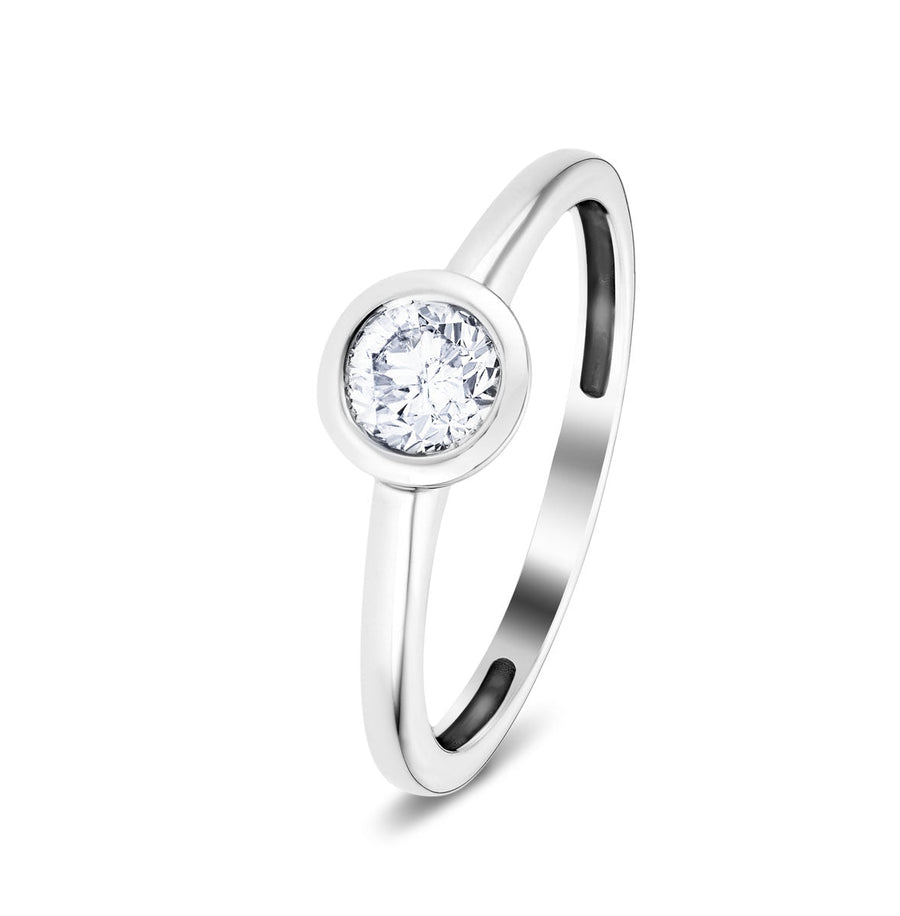
Setting Example
A Cleaner, Smoother Frame
The Maya bezel solitaire demonstrates how the setting changes the whole mood of a ring. The round diamond remains the focus, but the rub-over edge gives the design a more contemporary and protected outline.
A useful contrast with claw-set solitaires when considering security, smoothness and everyday wearability.
Explore StyleAdd Sparkle With Diamond-Set Shoulders, Not A Hidden Halo
Some buyers like the idea of extra sparkle but do not want a halo ring.
A hidden halo is one way some jewellery designs add light beneath or around the centre stone, but it is not the only route. If that feature is not available in the range you are considering, diamond-set shoulders are the natural alternative.
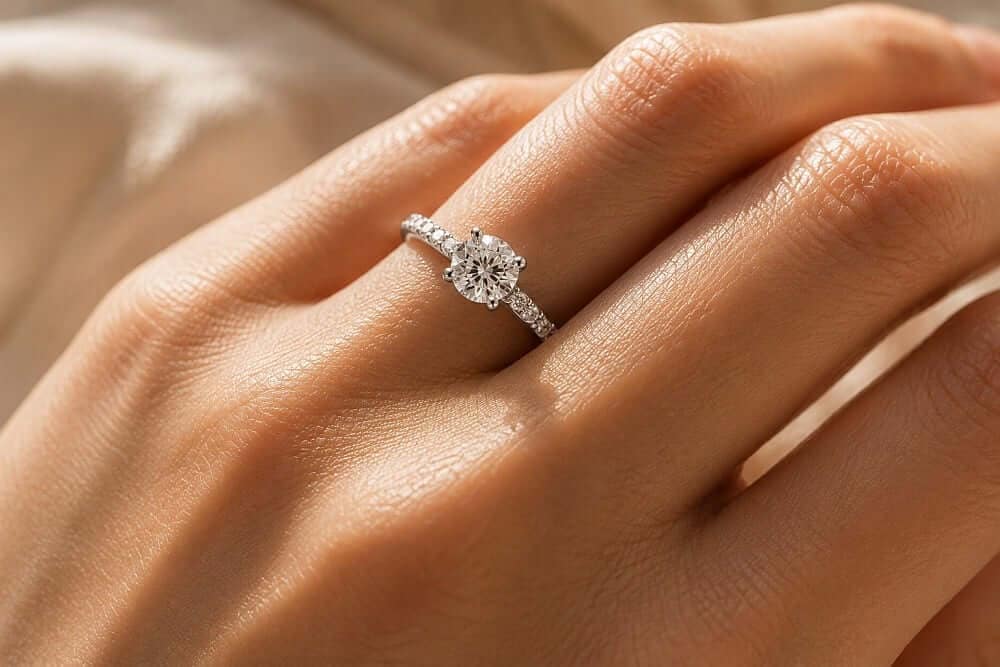
Diamonds on the shank or band can add brightness on either side of the centre stone while still keeping the main diamond as the clear focus. The ring remains a solitaire in feeling, but it gains more visual energy.
This works especially well if the centre diamond is elegant rather than enormous. The smaller diamonds along the band help the ring feel more finished, more decorative and more considered.
The key is restraint. If the shoulder stones are too dominant, they can compete with the centre diamond. If they are well judged, they support the main stone without taking attention away from it.
For many buyers, this is the sweet spot: more sparkle than a plain band, but cleaner and less ornate than a halo.
Let Band Width Create The Right Sense Of Scale
Band width is one of the easiest details to overlook.
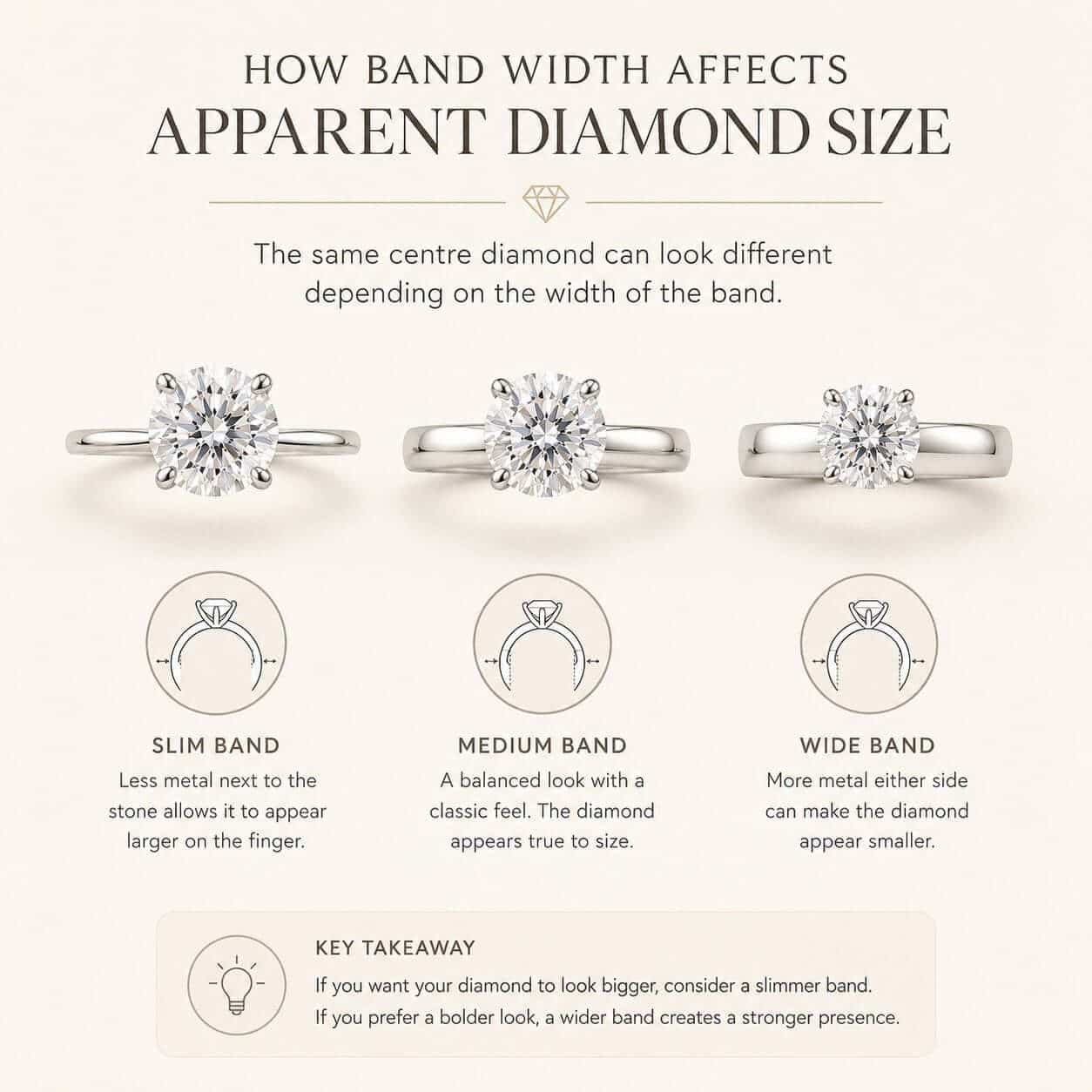
A fine band can make the centre diamond appear larger by contrast. It gives the ring a delicate, elegant look and puts the diamond in sharper focus. This can be useful if the buyer wants the solitaire to feel refined rather than heavy.
A wider band can feel more substantial. It may suit someone who prefers stronger jewellery or who wants a ring that feels less delicate. However, a wider band can also make the centre diamond seem smaller by comparison, especially if the stone is modest in size.
Neither option is automatically better. It depends on the wearer.
If she usually wears fine jewellery, a slim band may feel more natural. A slightly more substantial band may suit her better if she prefers stronger rings or a more contemporary look.
This stage is where the ring needs to be judged as a whole, not as a list of separate specifications.
Use Metal Colour To Change The Mood
Metal colour affects contrast.
White gold and platinum create a clean, bright frame around a white diamond. They are often chosen when the buyer wants a crisp, modern look and for the diamond to feel as white as possible.
Yellow gold gives a warmer effect. It can make the ring feel more classic, softer and more personal. It also creates a stronger contrast between the metal and the diamond, which some buyers consider visually appealing.
Rose gold brings warmth and romance, although not every design is available in every metal. It can make a solitaire feel more distinctive without changing the diamond shape or setting style.
Metal is not just a background choice. It changes how the diamond is read.
A round brilliant in platinum can feel precise and bright. The same round diamond in yellow gold can feel warmer and more traditional. A pear shape in white metal may feel elegant and elongated. In yellow gold, it may feel more vintage-leaning and romantic.
The best choice is the one that suits the wearer’s existing jewellery habits, skin tone preferences and daily style.
Choose Generous, Not Overdone
It is natural to think that a memorable solitaire needs a larger diamond. Sometimes it does. A generous centre stone can make a beautiful statement, especially when the diamond is well cut and well proportioned.
But bigger is not always more elegant.
A very large diamond can feel out of step with the wearer if she prefers understated jewellery. It can also become less practical if the setting sits high or catches easily. A smaller diamond in a beautifully judged setting may feel more wearable, more personal and more believable.
This scenario is where the lab-grown advantage should be used wisely. It can allow you to consider a larger diamond, a better grade or a more refined setting than might otherwise have been realistic. But the aim should still be a ring that feels considered, not simply the biggest diamond the budget allows.
This is particularly relevant for surprise engagement ring buyers. If you are choosing without her direct input, do not assume that maximum size is automatically the safest choice.
A better approach is to match the ring to her life. Look at what she already wears. Notice whether she prefers fine jewellery or bolder pieces. Think about whether she likes classic, modern, romantic or minimal design.
The article how to choose a diamond ring she’ll love is worth reading if you are trying to make that judgement with confidence.
A Practical Solitaire Checklist
Before choosing, ask these questions:
- Does the diamond shape suit the hand and the wearer’s style?
- Does the diamond look lively, not just large?
- Does the face-up size make sense for the carat weight?
- Does the setting make the diamond feel secure and well presented?
- Would a plain band, diamond-set shoulders or a bezel setting suit her better?
- Does the metal colour work with the jewellery she already wears?
- Is the ring striking in a way she would actually enjoy wearing?
That last question is the important one.
A solitaire should not just catch attention. It should feel right every time she puts it on.
Choose The Solitaire That Makes Sense In Real Life
A solitaire ring should feel clear, considered and personal. It should not need over-explaining. The centre diamond should feel well chosen, the setting should suit the wearer and the overall design should make sense beyond the proposal moment.
If you want a stronger visual result, think beyond carat weight. Look at shape, face-up size, cut, metal, setting height, band proportion and diamond-set shoulders. These details can make a solitaire feel more substantial, more elegant and more personal without making it feel overdone.
Find The Solitaire That Feels Well-Judged
Explore After Diamonds lab-grown diamond solitaire rings to compare classic centre-stone styles, modern settings and designs with added diamond detail on the band.
Explore Solitaire RingsSolitaire Ring FAQs
Is A Solitaire Ring Too Plain?
No. A solitaire ring is simple, but that simplicity is often its strength. The design focuses attention on the centre diamond, which can make the ring feel clear, elegant and timeless.
How Can I Make A Solitaire Diamond Ring Look Bigger?
Choose a diamond shape with good face-up spread, pay attention to cut quality, consider a slim band and look at settings that present the centre stone clearly. Diamond-set shoulders can also add extra brightness without using a halo.
Are Diamond-Set Shoulders The Same As A Hidden Halo?
No. A hidden halo usually places small diamonds beneath or around the centre stone. Diamond-set shoulders place diamonds along the band or shank. They add sparkle from the sides while keeping the centre stone as the main focus.
Do Lab-Grown Diamonds Make Larger Solitaire Rings More Affordable?
Often, yes. Lab-grown diamonds can make a larger or higher-specification centre stone more realistic for many buyers. It is still important to choose good proportions, cut quality and a setting that suits the wearer.
Which Diamond Shape Gives The Strongest Visual Effect?
Round brilliant diamonds give classic sparkle. Oval, pear and marquise shapes can look visually larger for their carat weight because of their elongated forms. The best option depends on the wearer’s hand, style and preference.
Should I Choose A Bigger Diamond Or Better Colour And Clarity?
It depends on your priorities. Many buyers prefer a sensible balance: a diamond that looks bright, clean and well proportioned rather than simply choosing the largest possible stone. Cut, shape and setting all affect the final result.