
Quick Answer
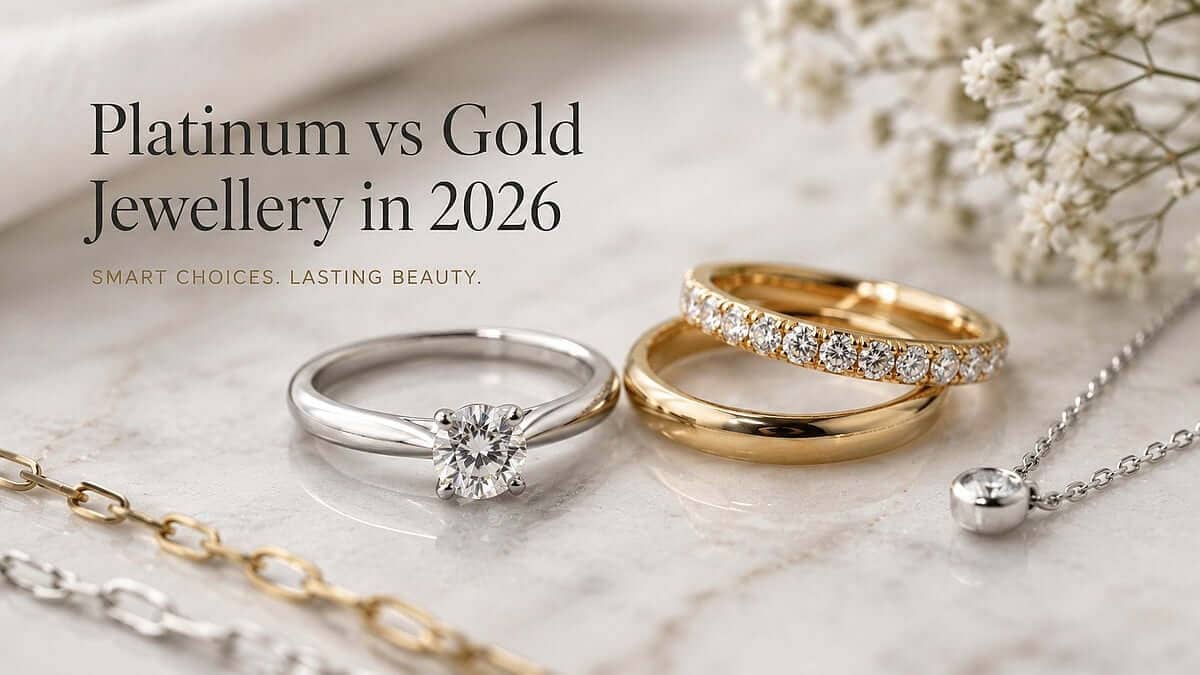
In 2026, platinum and gold are both sensible choices for diamond jewellery, but they suit different priorities. Platinum is naturally white, dense, durable and low-maintenance. Gold offers more colour choice, including yellow, white and rose gold. For everyday rings, platinum is often the most practical white metal. For warmth, styling flexibility and traditional colour, gold remains hard to beat.
Choosing between platinum and gold used to feel fairly straightforward. Platinum was usually treated as the more expensive option, while gold was the familiar choice available in several colours and price points. In 2026, that neat distinction is less useful.
Gold prices have made many buyers look more carefully at what they are actually paying for. Platinum, meanwhile, remains valued for its density, natural white colour and long-term practicality, especially in diamond rings. The result is not that one metal has become automatically better than the other. It is that the decision now deserves a little more thought.
For first-time diamond jewellery buyers, this is good news. A clearer understanding of platinum and gold can help you choose a piece that feels right now and still makes sense years from now.
Watch: Stop Choosing Gold for the Wrong Reasons
A short guide to the practical differences between platinum and gold jewellery, including colour, care, durability and everyday wear.
In This Article
- Why This Choice Feels Different In 2026
- What You Are Actually Paying For
- Platinum, Gold And Colour Choice
- Durability, Maintenance And Daily Wear
- Skin Sensitivity, Purity And Hallmarks
- Can You Mix Platinum And Gold?
- Practical Advice Before You Choose
- Useful External Reading
- Choose A Metal That Fits Real Life
- Browse Lab Diamond Jewellery With Confidence
- Platinum Vs Gold FAQs
Why This Choice Feels Different In 2026
The main reason platinum and gold feel different in 2026 is not fashion. It is value perception.
Gold has been through a period of very high pricing, which has made buyers more aware of the metal content in jewellery. That matters because a diamond ring or necklace is not priced only by the diamond. The precious metal, design, setting work, finishing and retail service all contribute to the final price.
In practice, this means the old assumption that platinum is always the more expensive choice no longer works as a reliable rule. A platinum ring may sometimes sit close to an 18 carat gold version in retail price, depending on the design, diamond, metal weight and manufacture. It may even feel like better value when the buyer wants a naturally white metal that does not need regular replating.
That does not mean platinum is automatically cheaper. It is denser than gold, so the same design in platinum will usually weigh more. It can also require different working methods. But for buyers comparing white gold and platinum, the lifetime cost and maintenance question has become harder to ignore.
Ava Lab Marquise Diamond Solitaire Engagement Ring 1.00ct G/VS Platinum
£1,185.00
£1,856.00
Celebrate your love with the Ava Lab Marquise Diamond Solitaire Engagement Ring. Lovingly crafted by hand in the UK, this ring features a stunning 1.00-carat G/VS IGI-certified diamond in a luxurious platinum setting. With a lifetime workmanship guarantee and UK… read more

What You Are Actually Paying For
A useful way to compare platinum and gold is to separate the emotional choice from the practical one.
The emotional choice is about colour, style and how the jewellery feels to wear. Yellow gold has warmth. Rose gold has softness. White gold has brightness. Platinum has a cool, clean, naturally white appearance that suits diamonds very well.
The practical choice is about purity, durability, maintenance and how the piece will behave over time.
In Practice, The Comparison Looks Like This
Platinum
Naturally white, dense, usually 950 parts per thousand pure, durable and low-maintenance. Excellent for diamond rings and secure settings.
18 Carat Gold
75% gold, available in yellow, white and rose tones. A strong choice for buyers who want precious metal content with colour flexibility.
9 Carat Gold
37.5% gold, usually more accessible in price. Practical for many jewellery styles, but less precious metal by purity than 18 carat gold or platinum.
This is why first-time buyers should avoid choosing by price alone. A lower price can be attractive, but it helps to ask what metal purity, future maintenance and daily wear will look like in real terms.
For a wider introduction to the metals used in jewellery, you may also find our guide to precious metals in diamond jewellery useful.
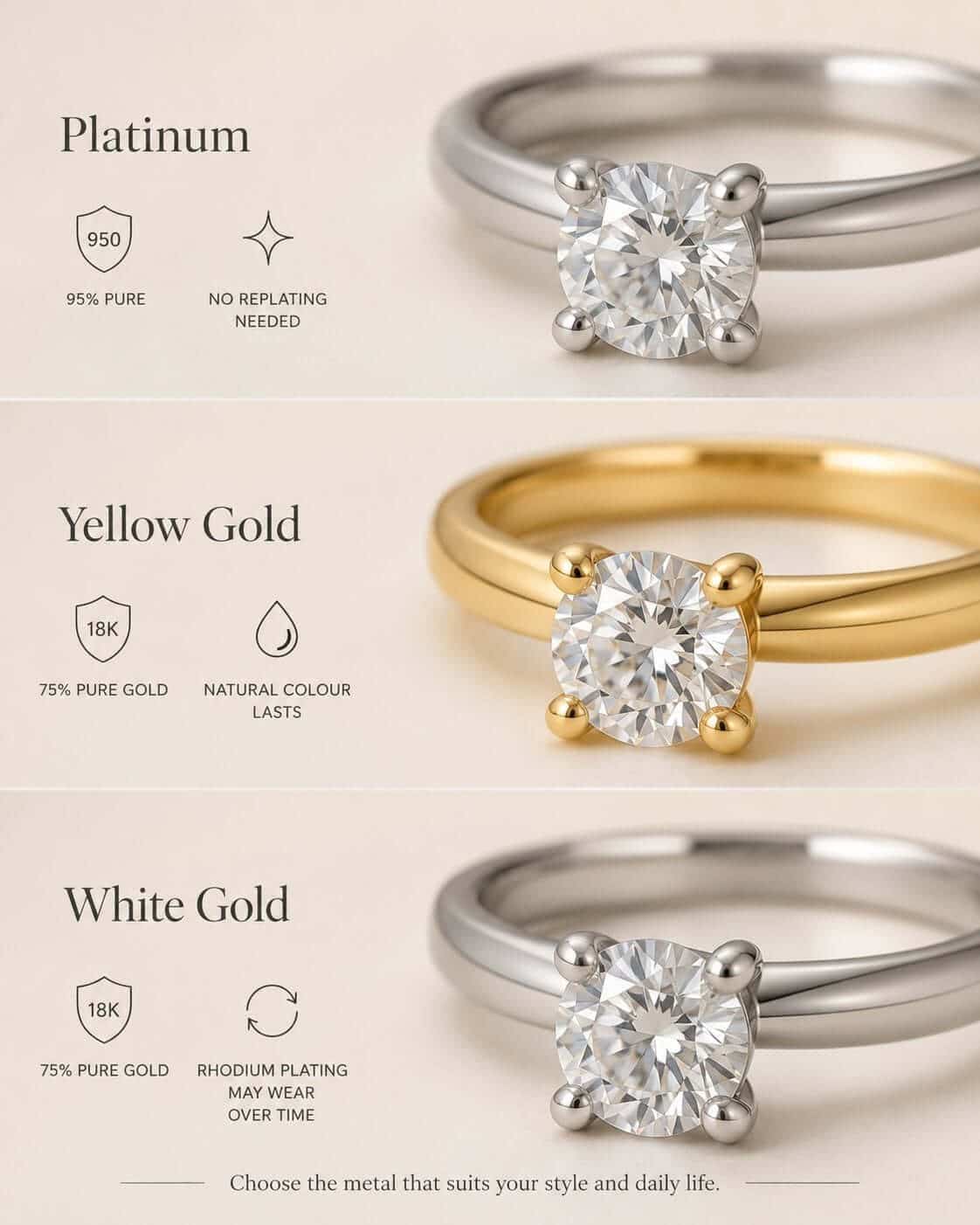 Platinum and gold both have strengths. The best choice depends on colour, care, budget and how often the piece will be worn.
Platinum, Gold And Colour Choice
Platinum is naturally white. This is one of its clearest advantages for diamond jewellery. It does not need to be made white through plating, and it will not fade towards a yellow tone. Its colour is slightly softer and greyer than freshly rhodium-plated white gold, but many buyers like that understated look.
Gold is more varied. Yellow gold feels traditional, warm and increasingly modern again when used in clean settings. Rose gold has a softer tone that can flatter many skin tones. White gold is popular because it gives a bright, polished white look at a more familiar gold price point, although that brightness usually depends on rhodium plating.
Worth knowing, white gold is not naturally pure white. It is made by alloying gold with whiter metals and is commonly finished with rhodium plating. Over time, that outer surface can wear, especially on rings worn every day. When that happens, a jeweller can replate it, but it becomes part of the ownership routine.
This is where platinum often becomes attractive for engagement rings and everyday diamond rings. It gives the white metal look without the same replating cycle.
Comparing Metals For A Diamond Ring?
If you are choosing a ring for daily wear, compare the metal as carefully as the diamond. Setting style, comfort and long-term care all matter.
Five Stone Lab Diamond Eternity Ring 3.50ct G/VS in 18k Yellow Gold
£2,605.00
£4,346.00
Experience the luxury of the Five Stone Lab Diamond Eternity Ring in 18k Yellow Gold. With a combined diamond weight of 3.50 carats of G/VS-certified diamonds, this ring is a true statement piece. The sparkling five diamonds shine brightly, illuminating… read more

Durability, Maintenance And Daily Wear
Durability is often misunderstood. Buyers sometimes ask which metal is harder, but hardness is only part of the picture. A metal also needs to be suitable for holding stones, comfortable to wear and repairable over a lifetime.
Platinum is dense and tough. When it is scratched, the surface metal tends to move rather than disappear in the same way. Over time, this creates a soft, muted surface known as patina. Some people love this because it gives platinum a quiet, worn-in character. Others prefer a brighter polished look, which a jeweller can restore.
Gold alloys behave differently. They can be very suitable for jewellery, but over many years of wear, small amounts of metal may gradually be worn away. This is one reason claws, settings and ring shanks should be checked periodically, whichever metal you choose.
For most buyers, the practical difference is simple. Platinum is a strong option for pieces that will be worn every day, especially engagement rings, wedding bands and diamond settings. Gold is also practical, but the right carat and colour matter. Yellow and rose gold avoid the white gold replating issue. White gold needs a little more maintenance if you want to keep the bright white finish.
Our guide to diamond ring settings is a useful companion if you are choosing a ring and want to understand how the metal supports the diamond.
Skin Sensitivity, Purity And Hallmarks
If you have sensitive skin, metal choice matters. Platinum jewellery is commonly made as 950 platinum, meaning 950 parts per thousand platinum. That high purity is one reason platinum is often recommended for sensitive skin.
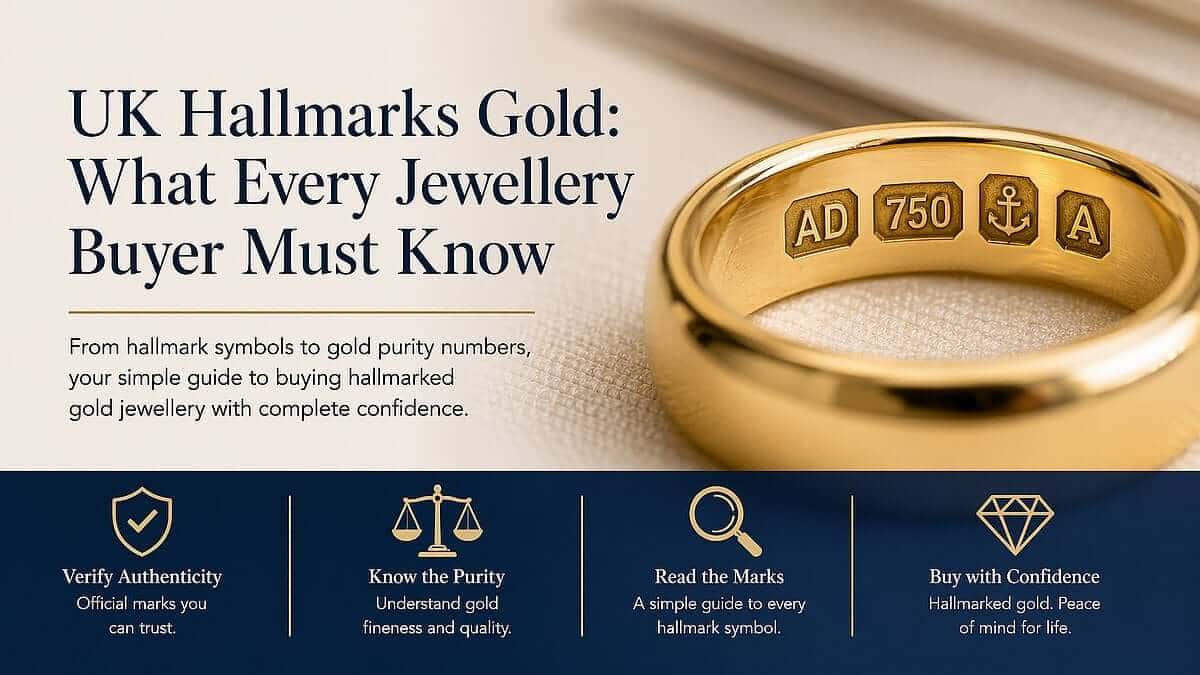
Gold jewellery varies more. In the UK, 18 carat gold is 750 parts per thousand gold. 9 carat gold is 375 parts per thousand gold. The remaining metal is made up of alloys, which affect colour, hardness and sometimes skin reaction. Most well-made gold jewellery is perfectly comfortable for most people, but buyers with sensitivities may prefer platinum or should ask clear questions about the alloy.
Hallmarking is helpful here because it gives a recognised indication of precious metal content. In the UK, a hallmark normally includes the sponsor or maker mark, the metal and fineness mark, and the assay office mark. For a first-time buyer, this is a useful confidence signal because it confirms that the metal has been independently tested and marked.
Semi Bezel 1.00ct Lab Diamond Full Eternity Ring D/VVS in 18k White Gold
£1,085.00
£1,635.00
Discover timeless elegance with the Semi Bezel 1.00ct Lab Diamond Full Eternity Ring, beautifully crafted in 18k white gold. This striking piece features real round diamonds, each securely held in a sophisticated semi-bezel setting, offering both protection and style. With… read more

Can You Mix Platinum And Gold?
Yes. Mixed-metal styling has become much more normal, and it is often a practical answer for buyers who do not want to choose one metal forever.
A platinum engagement ring can sit beautifully beside a yellow gold bracelet or necklace. Yellow gold earrings can work with a platinum pendant. A white metal diamond ring can look cleaner when paired with warm gold jewellery because the contrast feels intentional rather than mismatched.
The key is to repeat the contrast somewhere. If you wear one platinum ring and one yellow gold bracelet, the look can feel accidental. If you add a mixed bracelet, a yellow gold pendant, or earrings that pick up one of the tones, the styling feels more considered.
For necklaces, colour can also depend on wardrobe and neckline. If you are deciding between chain lengths and metal colours together, our necklace length guide may help you picture how the piece will sit in real life.
Practical Advice Before You Choose
For most buyers, the best metal is the one that fits the purpose of the jewellery.
If you are choosing an engagement ring or a ring that will be worn every day, platinum is very strong on practicality. It is naturally white, secure, durable and does not need rhodium replating. It is particularly appealing if you want a white metal and prefer low-maintenance ownership.
If you love warmth, yellow gold remains a very good choice. It suits classic and modern designs, works well with many skin tones and does not rely on plating for its colour. Rose gold is softer and more romantic in feel, although it is not always available in every design.
If you want a bright white look but prefer gold, white gold can make sense. Just include future replating in your expectations, especially for rings. For earrings and pendants, wear can be gentler, so maintenance may be less frequent.
If budget is the main concern, compare the whole piece rather than the metal label alone. Look at diamond quality, setting strength, metal purity, comfort and likely maintenance. A well-judged 9 carat gold piece may be a sensible purchase. An 18 carat gold or platinum piece may feel more substantial and longer-term. The right answer depends on what the jewellery is for.
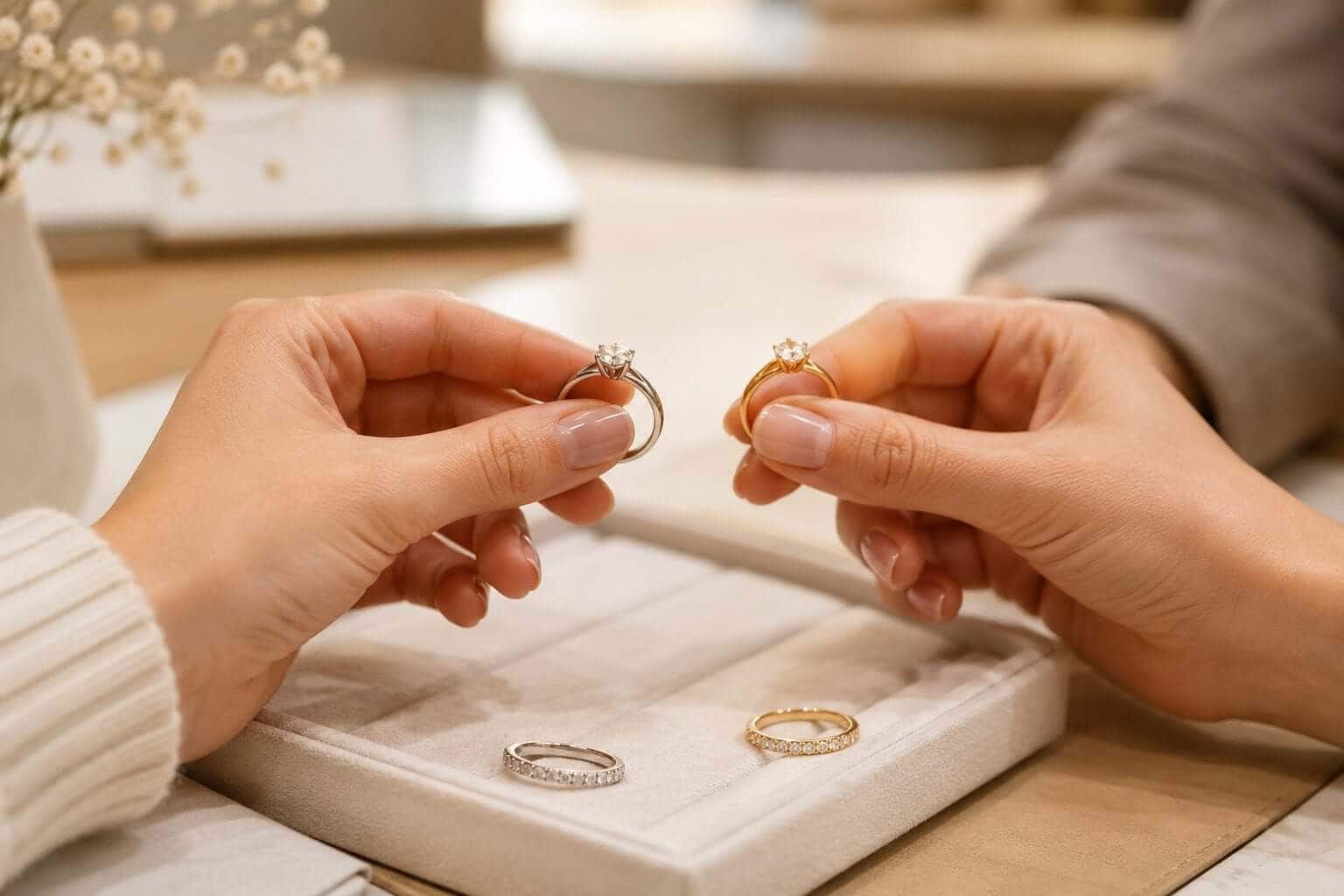 We suggest you choose the metal that best fits your purpose.
Useful External Reading
For buyers who want to check the technical context behind precious metals, these resources are useful starting points:
- UK Government hallmarking guidance notes for precious metal standards and hallmark basics.
- LBMA precious metal prices for gold, silver, platinum and palladium benchmark context.
- World Platinum Investment Council Platinum Quarterly for platinum market supply and demand commentary.
Choose A Metal That Fits Real Life
The best jewellery metal is not simply the one with the strongest reputation. It is the one that suits the piece, the wearer and the way it will be used.
Platinum is a calm, practical choice for buyers who want a naturally white, durable metal with minimal colour maintenance. Gold remains versatile, familiar and expressive, especially when colour is part of the appeal. In 2026, the smartest decision is to compare both with clear eyes rather than relying on old assumptions.
If you are choosing lab diamond jewellery, start with the piece you will wear most often, then choose the metal that supports it best.
Browse Lab Diamond Jewellery With Confidence
Whether you prefer the cool strength of platinum or the warmth of gold, After Diamonds offers lab diamond jewellery designed for considered, confident buying. Explore rings, necklaces, earrings and bracelets with the metal, setting and diamond quality that feel right for your life.
Lab Diamond Channel Half Eternity 0.50ct D/VVS in 18k Rose Gold
£945.00
£1,375.00
Embrace timeless elegance with the Lab Diamond Channel Half Eternity Ring, featuring 0.50ct D/VVS quality lab diamonds in an 18k rose gold channel setting. This chic, on-trend piece showcases a 3.5mm band with 40% diamond coverage, presenting round-shaped stones that… read more

Platinum Vs Gold FAQs
Is platinum better than gold for diamond rings?
Platinum is often a very strong choice for diamond rings because it is naturally white, dense, durable and secure for settings. Gold can also be excellent, especially if you prefer yellow or rose tones.
Is platinum always more expensive than gold?
No. Retail price depends on metal cost, weight, design, setting work and brand pricing. In 2026, high gold prices mean platinum and 18 carat gold can sometimes be closer in price than buyers expect.
Does white gold need replating?
Usually, yes. White gold is commonly finished with rhodium plating to create a bright white surface. That coating can wear over time, especially on rings worn daily.
Does platinum scratch?
Yes, platinum can scratch. The difference is that surface metal tends to move rather than wear away in the same way. Over time, platinum develops a soft patina that can be polished if preferred.
Is 9 carat gold a bad choice?
No. 9 carat gold can be practical and accessible. The key is understanding that it contains less gold than 18 carat gold, so buyers should compare purity, design and long-term expectations.
Can I wear platinum and yellow gold together?
Yes. Mixing metals is now widely accepted. The most polished results usually repeat both tones somewhere in the outfit so the contrast looks intentional.