
Summer jewellery changes your look, and you will feel different when you wear it!
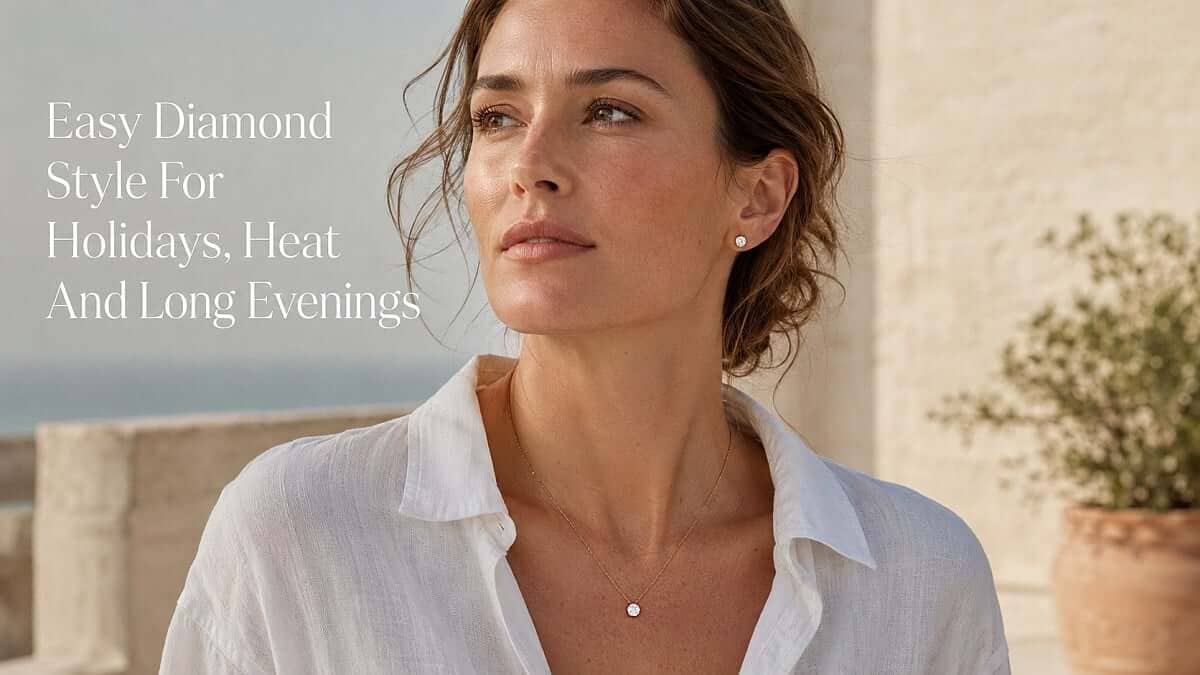
With lighter clothes, open necklines and more bare skin, even small pieces become more visible. A pair of diamond studs or a simple pendant can finish a white shirt, linen dress or good T-shirt without making the outfit feel overdone.
The slight complication is that summer life is not always kind to fine jewellery. There is sunscreen on your hands, chlorine in the pool and the occasional moment when a favourite ring is left beside a hotel sink because you remembered too late that you were about to swim.
The answer is not to leave your jewellery in a safe until autumn. It is to choose and wear it with a little more awareness. The best summer pieces feel comfortable, suit what you are actually doing and make simple clothes feel finished without becoming another thing to manage.
Quick Answer
For an easy summer jewellery wardrobe, start with diamond studs, a simple pendant and one extra piece such as a bracelet, ring or pair of hoops. Choose jewellery that works with open necklines and lighter clothing, apply sunscreen and perfume before putting it on, and remove fine jewellery before swimming. When travelling, pack fewer pieces, keep them separated and carry them with you rather than putting them in checked luggage.
A practical guide to choosing, wearing and caring for diamond jewellery through holidays, warm weather and long summer evenings.
Table Of Contents
- Start With The Summer You Actually Have
- Build A Three-Piece Summer Jewellery Wardrobe
- Let Summer Necklines Do Some Of The Work
- Choose Your Metal By Contrast, Not Old Rules
- Dress For The Day, Not Merely The Weather
- Use The One-Change Rule From Day To Evening
- Know When Jewellery Should Come Off
- Keep Sunscreen And Sparkle From Working Against Each Other
- Travel With Jewellery Without Creating Extra Admin
- Give Hard-Working Jewellery A Simple Reset
- Summer Jewellery Should Still Feel Like You
- Find Jewellery That Fits Your Summer
- Summer Jewellery FAQs
Start With The Summer You Actually Have
Summer jewellery guides can drift into a fantasy involving six weeks on the Amalfi Coast and an apparently endless supply of spotless white clothing. Real summer may include some of that, but it is just as likely to mean commuting in warm weather, lunch outside, a wedding, a weekend away and several days when the forecast changes its mind by noon.
Begin with your calendar rather than a seasonal trend list.
If most of your summer is spent working, look for pieces that add polish without becoming distracting or uncomfortable. If you are travelling, versatility and secure fastenings matter more. If your diary is full of weddings and long dinners, you may want one piece with more presence that can lift a simple outfit.
This is really an extension of the everyday diamond jewellery idea. Fine jewellery becomes more useful when it works with normal life instead of waiting for a perfect occasion.
Build A Three-Piece Summer Jewellery Wardrobe
You do not need a separate jewellery collection for every season. A small summer edit is usually enough, especially if you are packing for a holiday.
Diamond Studs
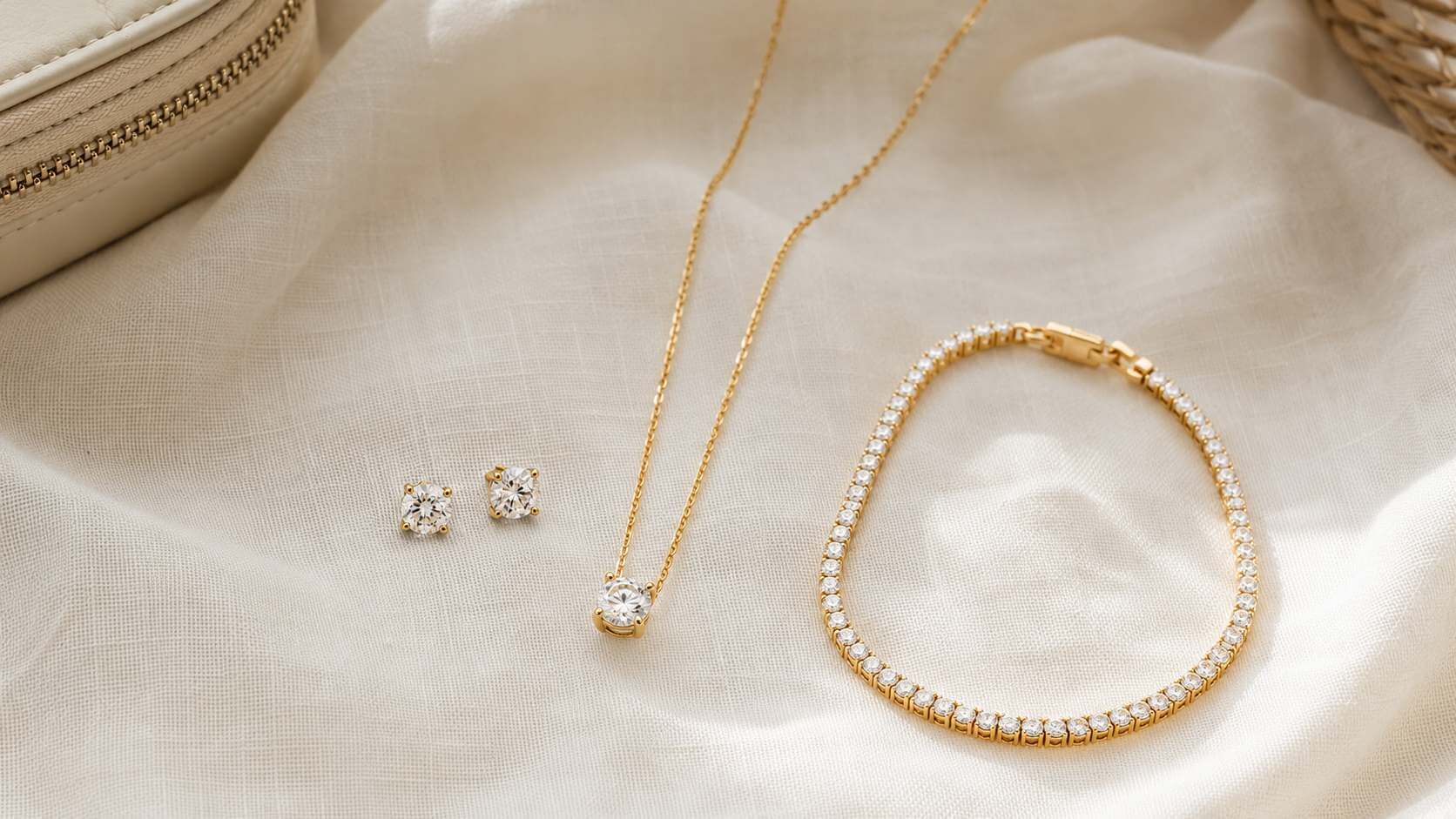
Studs are the easiest starting point. They stay close to the ear, do not compete with sunglasses and work particularly well when hair is tied back in warm weather. A smaller pair gives a quiet point of light during the day. A more noticeable pair can still look relaxed with a simple shirt or dress.
Size changes the effect, but bigger is not automatically better. Our diamond stud earring size guide explains how carat total weight and millimetre measurements translate into the look on the ear.
Everyday Summer Pick
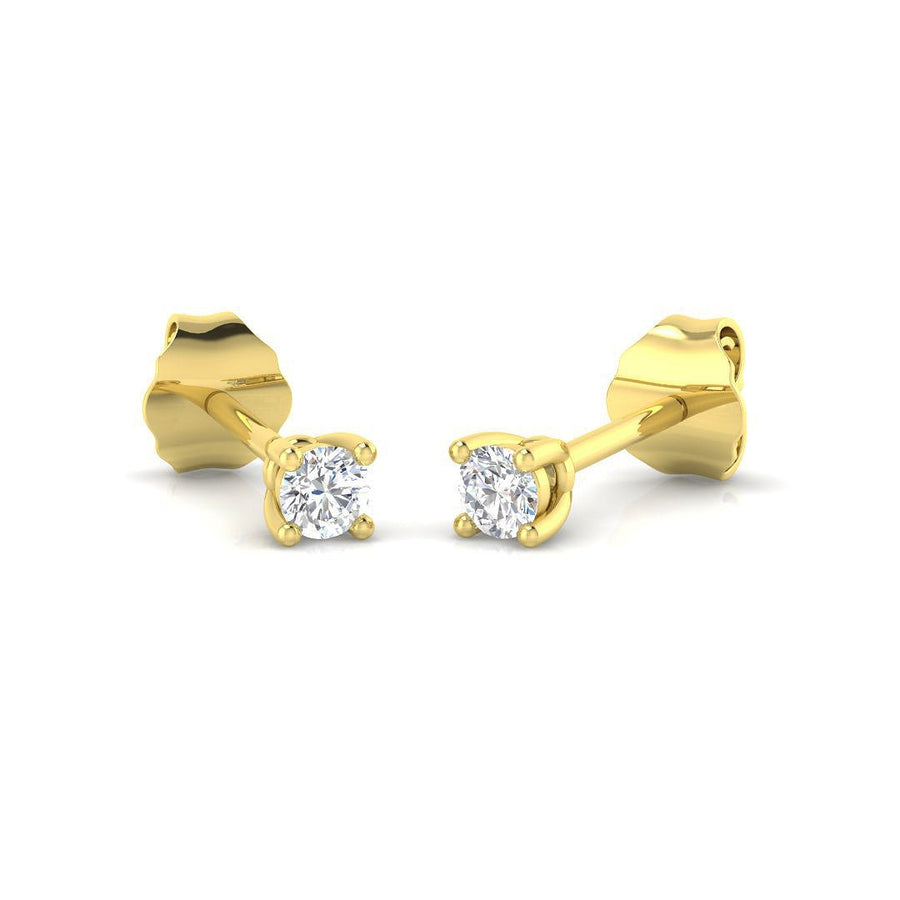
Lab Diamond Stud Earrings 0.10ct G/VS in 9k Yellow Gold
At 2.4mm wide, these small yellow-gold studs give a neat point of light without competing with sunglasses, tied-back hair or simple daytime clothing.
A Simple Diamond Pendant
Summer creates more open space around the neckline, which is exactly where a pendant earns its place. A single diamond or compact motif adds interest without making a light outfit feel over-styled.
An adjustable chain is particularly useful. It lets you move the pendant to suit a crew neck, open collar or lower neckline rather than expecting one fixed length to work with everything.
Open-Neckline Example
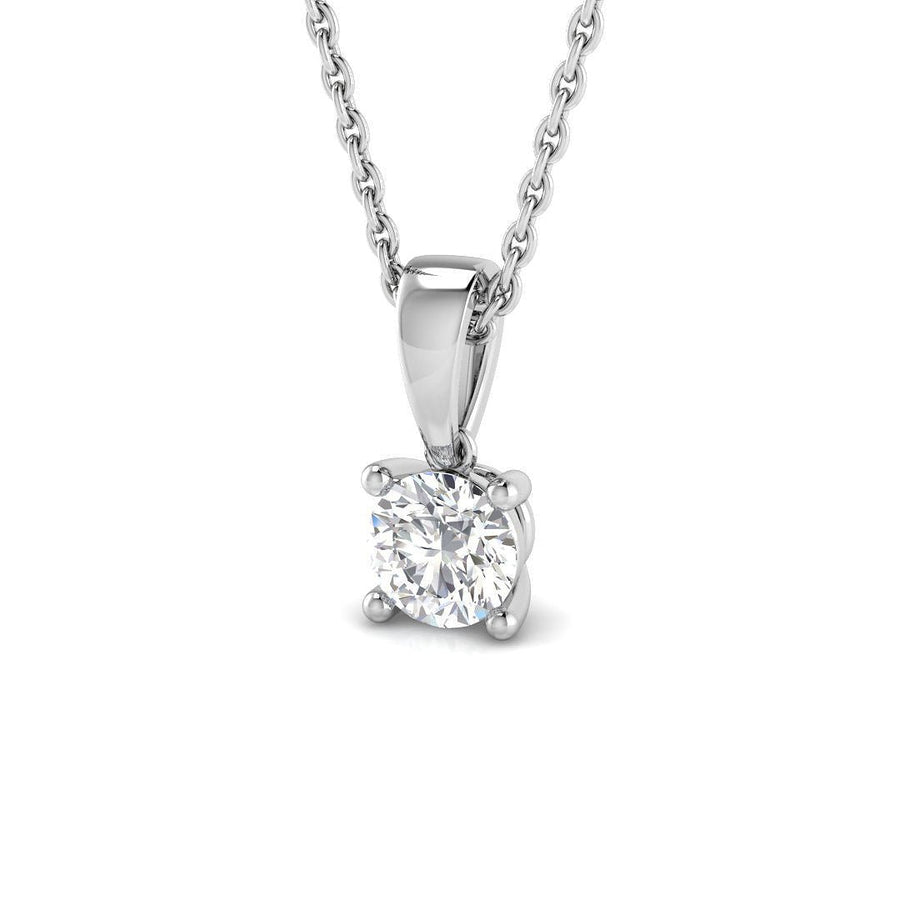
Lab Diamond Solitaire Pendant Necklace 0.25ct in 925 Silver
The uncluttered 4mm solitaire demonstrates why one pendant can be enough against a summer neckline. A choice of 16-inch or 18-inch chain also makes it easier to place well with different clothes.
One Extra Piece
The third piece depends on how you dress. It might be a slim diamond bracelet, a ring you wear most days, small hoops or a second necklace for occasional layering.
Choose the piece that fills a genuine gap. If your clothes tend to have simple sleeves, a bracelet may be the best finishing touch. If you wear your hair up often, hoops or drops may make more difference. If you already wear an engagement ring, your third piece may simply be the ring you own and love rather than something new.
The aim is not to reach a prescribed number. It is to have a small group of pieces that can change the mood of an outfit without turning getting dressed into a project.
A Flexible Third Piece
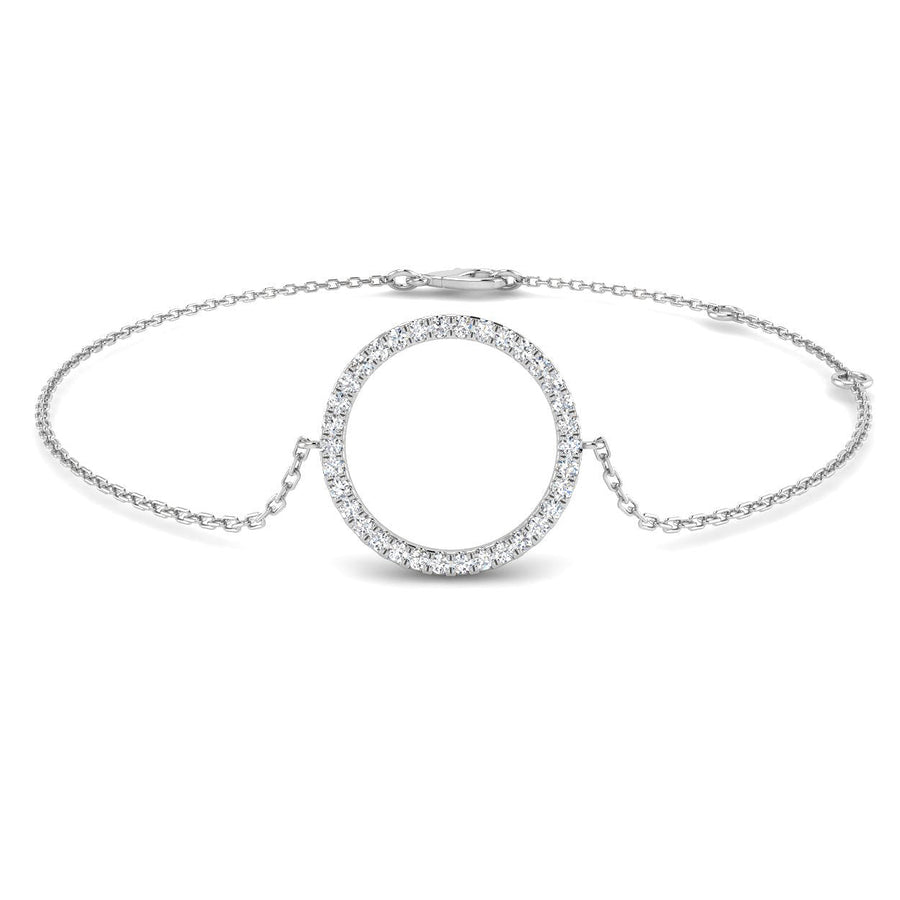
Lab Diamond Circle of Life Bracelet 0.15ct D/VVS in 9k White Gold
The compact 13mm diamond-set circle adds a visible detail beside short sleeves while remaining easy to combine with studs or a simple pendant.
Let Summer Necklines Do Some Of The Work
Jewellery often looks more noticeable in summer because there is less fabric around it. That means you can use a lighter touch and still achieve a strong result.
A small pendant can disappear against a high winter jumper but look perfectly judged above a scoop neck or open shirt. Studs become more visible with swept-back hair. A bracelet that spends winter under a coat cuff can become the detail that completes an otherwise plain outfit.
For necklaces, think about where the pendant will sit rather than choosing a chain length in isolation. It should have enough clear space around it to be seen. If it repeatedly drops into the neckline, catches beneath a collar or competes with a busy print, try another length. Our practical guide to choosing the correct necklace length gives a useful starting point.
Layering can work beautifully, but it does not need to mean wearing four necklaces at once. Two chains with a clear difference in length often look more relaxed and are less likely to become tangled. If the pendants are similar in size, give them enough separation to read as two deliberate pieces rather than one complicated knot.
Choose Your Metal By Contrast, Not Old Rules
There is no summer rule requiring yellow gold, just as there is no rule saying white metals are only for cool-toned wardrobes.
Yellow gold gives a warm contrast against white, cream, navy, green and many saturated summer colours. White gold can feel crisp with monochrome clothing, cool blues and clean tailoring. Rose gold gives a softer effect and works well with muted shades as well as warmer prints.
Your existing wardrobe is a better guide than a seasonal colour chart. Look at the buckles, bag hardware and jewellery you already reach for. If one metal appears repeatedly, that is useful evidence about what will be easiest to wear.
Mixing metals is also perfectly reasonable, particularly when the pieces are simple. A white-gold pendant and yellow-gold hoops can look intentional if something else in the outfit connects them. If you prefer a more coordinated look, choose one metal as the main note and let the other appear only once.
For a fuller comparison, see our guide to choosing the right gold colour for your jewellery.
Dress For The Day, Not Merely The Weather
The weather tells you whether to take a jacket. Your plans tell you which jewellery makes sense.
For a working day: Studs, a pendant or a slim ring add polish and are unlikely to get in the way. Keep necklaces clear of lanyards and choose earrings that remain comfortable with headphones.
For sightseeing or a busy city break: Wear one or two secure pieces that you do not need to adjust. Complicated layers, loose bracelets and earrings that catch on hats can become irritating after several hours.
For a beach or pool day: The easiest option is to leave fine jewellery securely stored and put it on later. A diamond may be extremely durable, but the metal, setting and fastening still deserve care. There is also the very ordinary risk of losing a ring or earring in water or sand.
For lunch that becomes dinner: A pendant and studs will carry most outfits through the day. Add one more visible piece for the evening, or switch studs for hoops or drop earrings.
For a wedding: Choose your focal point. If the dress has an embellished neckline, let earrings or a bracelet do more of the work. With a clean neckline, a pendant or necklace can become the main detail.
That small moment of matching the jewellery to the activity prevents most summer annoyances.
Use The One-Change Rule From Day To Evening
Summer days have a habit of running into evenings. Nobody wants to travel with a second jewellery box simply because dinner starts at eight.
The one-change rule is useful: keep the base of your jewellery the same and alter one element.
You could add a bracelet to studs and a pendant, exchange small studs for a more visible pair of earrings, or add a second chain. One deliberate change is often enough because evening light, bare shoulders and simpler clothes already give jewellery more impact.
This also stops the finished look becoming too busy. If a necklace is the main event, earrings can stay quiet. If you choose larger hoops or drops, you may not need anything at the neckline. Summer style tends to look most confident when there is still some breathing room.
One-Change Evening Option
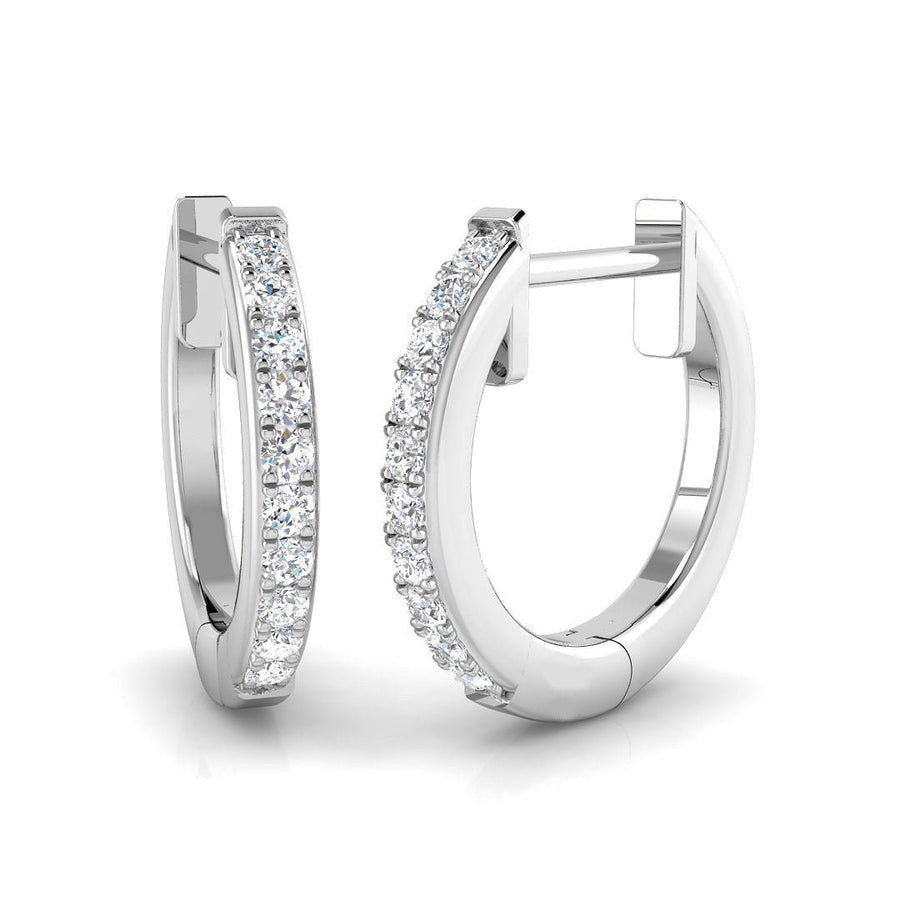
Lab Diamond Huggie Hoop Earrings 0.10ct in 925 Silver
At 13.5mm in diameter, these diamond huggies create a clearer evening accent than small studs without becoming difficult to wear through the rest of the day.
Know When Jewellery Should Come Off
Diamonds are durable, but diamond jewellery is a combination of stone, precious metal, setting and fastening. The whole piece is only as secure as those parts working together.
Remove fine jewellery before swimming in a pool or hot tub. The Gemological Institute of America notes that chlorine can affect some of the metal alloys used in diamond settings and may contribute to damaged or loosened prongs. Swimming also introduces a simpler risk: rings can slip, earrings can be lost and fine chains can catch.
It is sensible to remove jewellery before:
- swimming or entering a hot tub;
- applying sunscreen, fake tan or body oil;
- using strong household or cleaning chemicals;
- playing energetic sports;
- gardening or doing rough manual work;
- sleeping, if the piece has a delicate chain, raised setting or fine claws.
This is not about treating jewellery as fragile. It is about avoiding the moments when wearing it brings no real benefit and creates an unnecessary risk.
Keep Sunscreen And Sparkle From Working Against Each Other
Sunscreen is far more important than keeping a diamond perfectly bright, so use it generously. Just give it time to settle before adding jewellery.
Lotions, body oils, perfume and everyday skin oils can leave a film on diamonds. The stone has not lost its quality or sparkle. Light is simply struggling to pass through a surface that needs cleaning.
A practical order is:
- Apply skincare, sunscreen, perfume and hair products.
- Allow them to dry or absorb.
- Put on jewellery last.
- Take jewellery off first when changing or getting ready for bed.
If you need to reapply sunscreen during the day, remove rings first if practical and wash or wipe your hands before putting them back on. Avoid placing jewellery loose on a towel or beside a sink. Put it straight into a pouch, case or zipped compartment.
Travel With Jewellery Without Creating Extra Admin
Holiday jewellery should give you options, not responsibilities. Pack a smaller edit than you first imagine you need.
Studs, one pendant and one flexible extra piece can cover daytime, dinner and most events. If you cannot picture a specific outfit or occasion for an item, it probably does not need to travel.
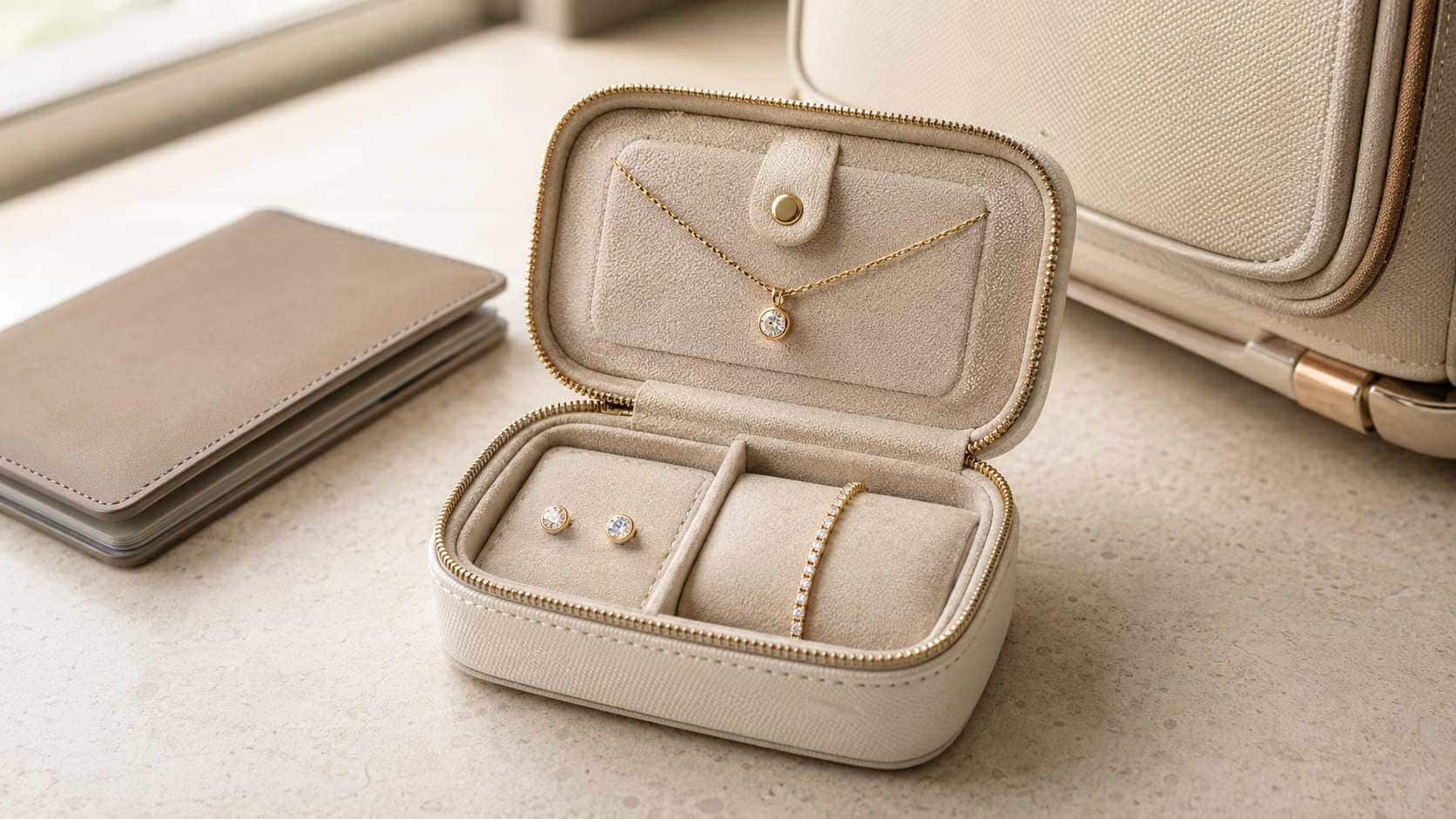
Before leaving:
- check clasps, earring backs and visible claws;
- photograph the pieces you are taking;
- keep useful purchase, valuation and insurance details accessible;
- pack each item separately so chains do not tangle and harder pieces do not scratch softer ones;
- carry valuable jewellery with you rather than placing it in checked luggage;
- use the hotel safe or another secure place when jewellery is not being worn.
It is also worth checking what your insurance covers away from home and abroad, including any single-item limits and trip-duration conditions. Our guide to diamond jewellery insurance explains the questions to consider.
Give Hard-Working Jewellery A Simple Reset
Jewellery worn through a warm week may need cleaning sooner than jewellery worn occasionally in winter. Sunscreen, moisturiser and skin oils build up quietly, especially behind stones and around settings.
For straightforward diamond jewellery without delicate additional gemstones, warm water with a small amount of mild washing-up liquid and a very soft brush is often enough. Clean gently around the back of the stone, rinse carefully and dry with a soft lint-free cloth. Always check the care advice for the complete piece first, particularly if it includes other gems or special finishes.
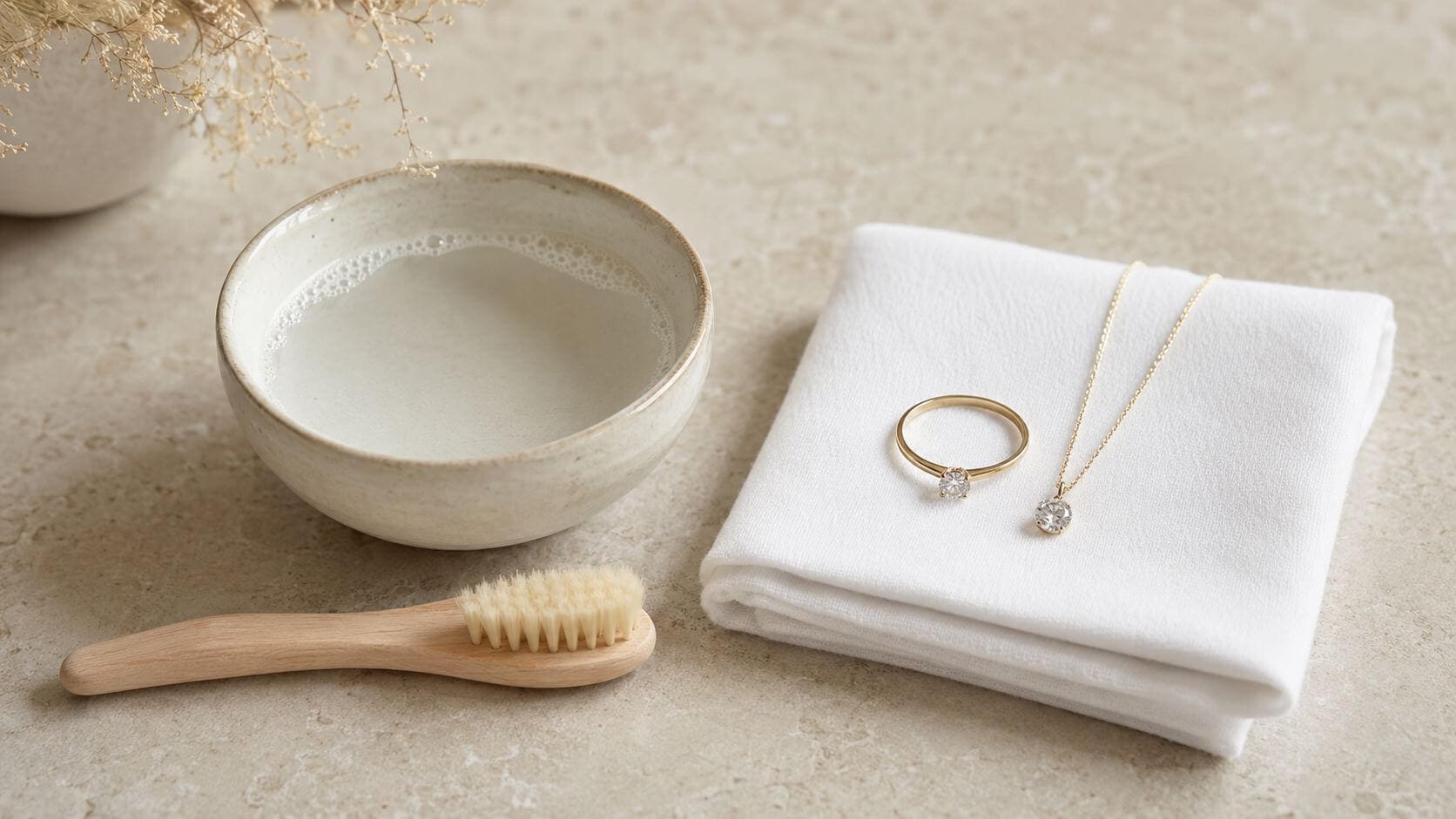
Do not clean jewellery over an open plughole. A bowl on a stable surface is less dramatic and considerably more sensible.
If a stone moves, a claw catches on fabric or a clasp feels unreliable, stop wearing the piece and have it checked. Cleaning improves appearance. It does not repair a worn setting.
Summer Jewellery Should Still Feel Like You
Summer style does not require a collection of novelty pieces that will feel irrelevant by September. The strongest choices are usually familiar pieces worn with a little more space, colour and confidence.
Start with the jewellery you already use. Notice what becomes more visible with lighter clothes. Add only what makes your wardrobe easier or gives you a genuinely useful new option.
A well-chosen pair of studs, a pendant at the right length and one extra piece can do a surprising amount. They can move from work to a weekend away, from a simple lunch to a long evening, and from one summer to the next.
That is the real pleasure of fine jewellery in summer. It does not need to create the occasion. It simply makes the life you are already living feel more considered.
Find Jewellery That Fits Your Summer
The most useful summer jewellery is easy to wear, well made and versatile enough to earn its place beyond one holiday or outfit.
Explore After Diamonds' lab-grown diamond earrings, necklaces and pendants, rings and bracelets to build a summer edit around your wardrobe and the way you actually spend your days.
Summer Jewellery FAQs
Can I Wear Diamond Jewellery In A Swimming Pool?
It is better to remove it first. Diamonds are highly durable, but chlorine can affect some alloys used in settings, and swimming increases the risk of losing a ring, earring or bracelet. Store jewellery securely before going near the water rather than leaving it loose beside the pool.
Does Sunscreen Damage Diamonds?
Sunscreen is more likely to leave an oily film that makes a diamond look dull than to harm the diamond itself. Apply it before putting on jewellery and clean suitable diamond pieces gently when residue builds up. Remember that the care needs of the metal and any additional gemstones also matter.
What Is The Best Jewellery To Take On Holiday?
Choose a small group of versatile, secure pieces. Diamond studs, a simple pendant and one ring or bracelet can cover many daytime and evening outfits without requiring a large travel case.
Should Jewellery Go In Hand Luggage Or A Suitcase?
Keep valuable jewellery with you in your hand luggage rather than packing it in checked baggage. Store pieces separately in a secure travel case or soft pouches, and never leave them loose in an outer pocket.
Which Colour Gold Looks Best In Summer?
There is no single best choice. Yellow gold brings warmth, white gold creates a crisp effect and rose gold looks softer. Choose the metal that works with your normal wardrobe, other jewellery and personal preference rather than following a seasonal rule.
Why Do My Rings Feel Tighter In Hot Weather?
Hands and fingers can swell in warm conditions, which may make a normally comfortable ring feel snug. Do not force a tight ring on or off. Cool down, raise your hand and allow the swelling to settle. If the fit remains uncomfortable, ask a jeweller for advice before changing the ring size.